Skip to content

Author: 277hostingerroot@proton.me

  • Responsible Himalayan Travel: Planning, Costs and Local Impact

    Responsible Himalayan Travel: Planning, Costs and Local Impact

    Prepare for Himalayan travel with realistic acclimatisation, weather, permits, waste and community considerations.

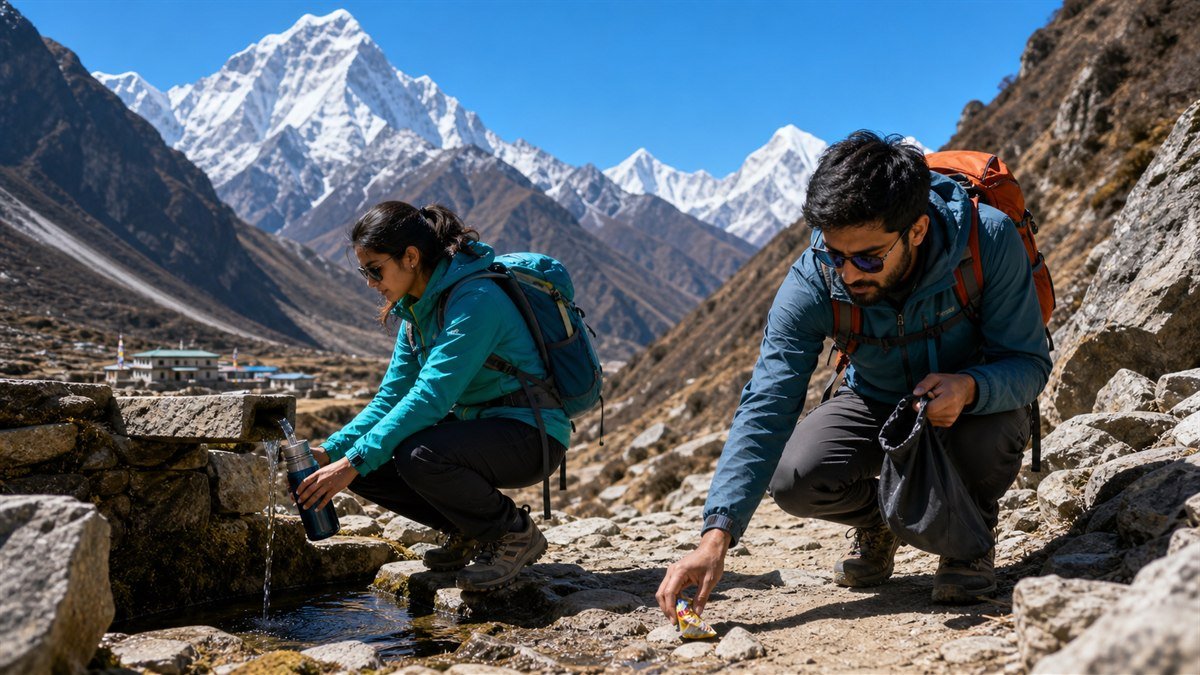
    Mountain travel rewards patience. Rapid itineraries, changing weather, fragile roads and limited waste systems mean that planning for the Himalayas must prioritise health, flexibility and local conditions over completing a checklist. This guide explains a practical framework for Indian readers and highlights the decisions that deserve more attention than a headline or product promise.

    The intended outcome is to plan a safer journey that respects altitude, environment and host communities. The recommendations are educational and should be adjusted for personal health, financial circumstances, institutional rules, local conditions and professional advice where appropriate.

    Why responsible Himalayan travel needs a practical framework

    Search results often compress a complicated decision into a short list. Lists are easy to scan, but they rarely explain how one option becomes suitable for a particular person. A useful framework begins with the reader’s goal, identifies constraints and creates a way to review the result.

    India adds meaningful context: prices vary, connectivity and access differ, regulation changes, households share responsibilities and language can affect discovery. The right choice in a metropolitan office may not be the right choice for a student, family, traveller or small-town professional.

    A step-by-step approach

    1. Match the itinerary to altitude

    Build gradual ascent and rest into the route and understand early signs that require stopping or descending. This step should be tested against the reader’s real schedule, budget and responsibilities rather than an idealised scenario. Record what changes, what remains difficult and which part produces the greatest benefit.

    The most useful approach is deliberately simple: understand the purpose, choose a small number of actions and review the result after real use. For responsible Himalayan travel, evidence is more useful than excitement: a small improvement that can be maintained usually matters more than a dramatic change that disappears after one week.

    2. Use current local information

    Check official advisories, road conditions, permits, weather and seasonal service availability close to departure. This step should be tested against the reader’s real schedule, budget and responsibilities rather than an idealised scenario. Record what changes, what remains difficult and which part produces the greatest benefit.

    The most useful approach is deliberately simple: understand the purpose, choose a small number of actions and review the result after real use. For responsible Himalayan travel, evidence is more useful than excitement: a small improvement that can be maintained usually matters more than a dramatic change that disappears after one week.

    3. Prepare for transport disruption

    Keep time, medication, clothing and financial buffers because landslides or weather can change schedules. This step should be tested against the reader’s real schedule, budget and responsibilities rather than an idealised scenario. Record what changes, what remains difficult and which part produces the greatest benefit.

    The most useful approach is deliberately simple: understand the purpose, choose a small number of actions and review the result after real use. For responsible Himalayan travel, evidence is more useful than excitement: a small improvement that can be maintained usually matters more than a dramatic change that disappears after one week.

    4. Reduce waste pressure

    Carry reusable essentials, avoid unnecessary packaging and follow local systems for bringing waste back. This step should be tested against the reader’s real schedule, budget and responsibilities rather than an idealised scenario. Record what changes, what remains difficult and which part produces the greatest benefit.

    The most useful approach is deliberately simple: understand the purpose, choose a small number of actions and review the result after real use. For responsible Himalayan travel, evidence is more useful than excitement: a small improvement that can be maintained usually matters more than a dramatic change that disappears after one week.

    5. Support local value responsibly

    Use local guides, stays and food where suitable while respecting culture, water limits and community rules. This step should be tested against the reader’s real schedule, budget and responsibilities rather than an idealised scenario. Record what changes, what remains difficult and which part produces the greatest benefit.

    The most useful approach is deliberately simple: understand the purpose, choose a small number of actions and review the result after real use. For responsible Himalayan travel, evidence is more useful than excitement: a small improvement that can be maintained usually matters more than a dramatic change that disappears after one week.

    India-specific questions to ask before acting

    Check whether the service, product, professional support or transport option is available in the reader’s location. Confirm total cost in rupees, cancellation or refund terms, data requirements, language support and the practical time needed to use the choice well.

    Time-sensitive topics should be checked with primary or official sources. Rules, prices, medical understanding, financial products, road conditions and digital services can change after an article is published. Techsslaasha reviews important guides, but the reader should always verify a decision that carries significant personal risk.

    Common mistakes to avoid

    • Rushing ascent to fit a short itinerary. Pause and identify the assumption behind this choice before spending more time or money.
    • Treating four-wheel drive as protection from all road risk. Pause and identify the assumption behind this choice before spending more time or money.
    • Leaving plastic or wet wipes behind. Pause and identify the assumption behind this choice before spending more time or money.
    • Flying drones without checking rules and community concerns. Pause and identify the assumption behind this choice before spending more time or money.

    These mistakes usually share one pattern: the decision is made before the purpose is clear. Returning to the desired outcome makes comparison easier and reduces the influence of urgency, social proof or promotional language.

    A seven-day action plan

    1. Day one: write the outcome and list the constraints that cannot be ignored.
    2. Day two: collect information from primary, official or accountable sources.
    3. Day three: compare no more than three realistic options using the same criteria.
    4. Day four: test the smallest safe version of the first step.
    5. Day five: note cost, time, friction and any unexpected concern.
    6. Day six: discuss the choice with a trusted person or qualified professional when the risk is meaningful.
    7. Day seven: keep, change or stop the plan based on evidence rather than sunk cost.

    Continue reading on Techsslaasha

    For a deeper view of this subject, read Smart Weekend Trip Planning in India and Safe Solo Travel Guide for Indian Women. A related perspective appears in A Personal Budget System for Young Professionals in India, connecting this decision with another part of modern life in India.

    Frequently asked questions

    How many acclimatisation days are needed?

    The answer depends on altitude, ascent profile and individual response; conservative planning and qualified guidance are important. Readers should confirm time-sensitive requirements with qualified or official sources before acting.

    What costs are commonly missed?

    Permits, local transport changes, guide support, equipment, extra nights and weather delays can affect the budget. Readers should confirm time-sensitive requirements with qualified or official sources before acting.

    What is responsible mountain tourism?

    It combines safety, low waste, respect for local rules and spending that benefits the host community. Readers should confirm time-sensitive requirements with qualified or official sources before acting.

    Final takeaway

    Responsible Himalayan Travel: Planning, Costs and Local Impact becomes easier when the reader stops looking for a universal answer and starts using a transparent process. Define the need, compare realistic options, protect against the most important risk and review the result after real experience.

    Techsslaasha publishes technology-first, India-focused reporting across health, finance, education, entertainment, gaming, lifestyle and travel. The aim is to provide enough context for a better next step without pretending that one article can decide for every reader.


  • Safe Solo Travel Guide for Indian Women

    Safe Solo Travel Guide for Indian Women

    A practical solo travel safety framework covering research, transport, accommodation, communication and boundaries.

    Solo travel can be empowering, but safety planning should not depend on fear or vague advice. Useful preparation focuses on information, transport control, trusted communication and the ability to leave an uncomfortable situation. This guide explains a practical framework for Indian readers and highlights the decisions that deserve more attention than a headline or product promise.

    The intended outcome is to build a personal safety plan while preserving independence and enjoyment. The recommendations are educational and should be adjusted for personal health, financial circumstances, institutional rules, local conditions and professional advice where appropriate.

    Why solo travel safety Indian women needs a practical framework

    Search results often compress a complicated decision into a short list. Lists are easy to scan, but they rarely explain how one option becomes suitable for a particular person. A useful framework begins with the reader’s goal, identifies constraints and creates a way to review the result.

    India adds meaningful context: prices vary, connectivity and access differ, regulation changes, households share responsibilities and language can affect discovery. The right choice in a metropolitan office may not be the right choice for a student, family, traveller or small-town professional.

    A step-by-step approach

    1. Research neighbourhoods and arrival conditions

    Study transport options, lighting, mobile coverage and how the location feels at the actual arrival time. This step should be tested against the reader’s real schedule, budget and responsibilities rather than an idealised scenario. Record what changes, what remains difficult and which part produces the greatest benefit.

    A strong plan also makes trade-offs visible. When the cost, effort or risk changes, the reader can adapt without starting from zero. For solo travel safety Indian women, evidence is more useful than excitement: a small improvement that can be maintained usually matters more than a dramatic change that disappears after one week.

    2. Verify accommodation

    Use recent detailed reviews, clear contact information, secure access and a location that supports the intended itinerary. This step should be tested against the reader’s real schedule, budget and responsibilities rather than an idealised scenario. Record what changes, what remains difficult and which part produces the greatest benefit.

    A strong plan also makes trade-offs visible. When the cost, effort or risk changes, the reader can adapt without starting from zero. For solo travel safety Indian women, evidence is more useful than excitement: a small improvement that can be maintained usually matters more than a dramatic change that disappears after one week.

    3. Keep transport choices visible

    Confirm vehicle and driver details, use recognised services where available and avoid sharing unnecessary personal information. This step should be tested against the reader’s real schedule, budget and responsibilities rather than an idealised scenario. Record what changes, what remains difficult and which part produces the greatest benefit.

    A strong plan also makes trade-offs visible. When the cost, effort or risk changes, the reader can adapt without starting from zero. For solo travel safety Indian women, evidence is more useful than excitement: a small improvement that can be maintained usually matters more than a dramatic change that disappears after one week.

    4. Create a check-in plan

    Share essential itinerary details with a trusted person and define what should happen after a missed check-in. This step should be tested against the reader’s real schedule, budget and responsibilities rather than an idealised scenario. Record what changes, what remains difficult and which part produces the greatest benefit.

    A strong plan also makes trade-offs visible. When the cost, effort or risk changes, the reader can adapt without starting from zero. For solo travel safety Indian women, evidence is more useful than excitement: a small improvement that can be maintained usually matters more than a dramatic change that disappears after one week.

    5. Trust discomfort and change the plan

    Leaving a place, conversation or vehicle is valid even when the concern cannot be fully explained. This step should be tested against the reader’s real schedule, budget and responsibilities rather than an idealised scenario. Record what changes, what remains difficult and which part produces the greatest benefit.

    A strong plan also makes trade-offs visible. When the cost, effort or risk changes, the reader can adapt without starting from zero. For solo travel safety Indian women, evidence is more useful than excitement: a small improvement that can be maintained usually matters more than a dramatic change that disappears after one week.

    India-specific questions to ask before acting

    Check whether the service, product, professional support or transport option is available in the reader’s location. Confirm total cost in rupees, cancellation or refund terms, data requirements, language support and the practical time needed to use the choice well.

    Time-sensitive topics should be checked with primary or official sources. Rules, prices, medical understanding, financial products, road conditions and digital services can change after an article is published. Techsslaasha reviews important guides, but the reader should always verify a decision that carries significant personal risk.

    Common mistakes to avoid

    • Posting live accommodation details publicly. Pause and identify the assumption behind this choice before spending more time or money.
    • Arriving at an unfamiliar location without a backup. Pause and identify the assumption behind this choice before spending more time or money.
    • Depending on one phone or payment method. Pause and identify the assumption behind this choice before spending more time or money.
    • Ignoring intuition to avoid seeming impolite. Pause and identify the assumption behind this choice before spending more time or money.

    These mistakes usually share one pattern: the decision is made before the purpose is clear. Returning to the desired outcome makes comparison easier and reduces the influence of urgency, social proof or promotional language.

    A seven-day action plan

    1. Day one: write the outcome and list the constraints that cannot be ignored.
    2. Day two: collect information from primary, official or accountable sources.
    3. Day three: compare no more than three realistic options using the same criteria.
    4. Day four: test the smallest safe version of the first step.
    5. Day five: note cost, time, friction and any unexpected concern.
    6. Day six: discuss the choice with a trusted person or qualified professional when the risk is meaningful.
    7. Day seven: keep, change or stop the plan based on evidence rather than sunk cost.

    Continue reading on Techsslaasha

    For a deeper view of this subject, read Smart Weekend Trip Planning in India and Responsible Himalayan Travel: Planning, Costs and Local Impact. A related perspective appears in How to Read Fitness Tracker Data Without Anxiety, connecting this decision with another part of modern life in India.

    Frequently asked questions

    Is solo travel safe everywhere in India?

    Risk varies by place, time and individual circumstances; current local research and flexible planning are essential. Readers should confirm time-sensitive requirements with qualified or official sources before acting.

    What emergency information should be stored?

    Keep trusted contacts, accommodation, transport details, identification copies and relevant local emergency numbers accessible. Readers should confirm time-sensitive requirements with qualified or official sources before acting.

    Should live location always be shared?

    Share it selectively with trusted people and consider battery, privacy and network limitations. Readers should confirm time-sensitive requirements with qualified or official sources before acting.

    Final takeaway

    Safe Solo Travel Guide for Indian Women becomes easier when the reader stops looking for a universal answer and starts using a transparent process. Define the need, compare realistic options, protect against the most important risk and review the result after real experience.

    Techsslaasha publishes technology-first, India-focused reporting across health, finance, education, entertainment, gaming, lifestyle and travel. The aim is to provide enough context for a better next step without pretending that one article can decide for every reader.

  • Smart Weekend Trip Planning in India

    Smart Weekend Trip Planning in India

    Plan short Indian trips with realistic travel time, budget, weather, bookings and responsible local choices.

    A weekend trip can become exhausting when the destination is chosen by distance alone. Door-to-door travel, check-in times, seasonal conditions and the pace of the itinerary determine whether the break feels restorative. This guide explains a practical framework for Indian readers and highlights the decisions that deserve more attention than a headline or product promise.

    The intended outcome is to create a short trip plan that balances experience, time, cost and energy. The recommendations are educational and should be adjusted for personal health, financial circumstances, institutional rules, local conditions and professional advice where appropriate.

    Why weekend trip planning India needs a practical framework

    Search results often compress a complicated decision into a short list. Lists are easy to scan, but they rarely explain how one option becomes suitable for a particular person. A useful framework begins with the reader’s goal, identifies constraints and creates a way to review the result.

    India adds meaningful context: prices vary, connectivity and access differ, regulation changes, households share responsibilities and language can affect discovery. The right choice in a metropolitan office may not be the right choice for a student, family, traveller or small-town professional.

    A step-by-step approach

    1. Calculate door-to-door time

    Include local transfers, waiting, traffic and the journey from station or airport to the actual stay. This step should be tested against the reader’s real schedule, budget and responsibilities rather than an idealised scenario. Record what changes, what remains difficult and which part produces the greatest benefit.

    The practical goal is not perfection. It is a repeatable decision that still works on an ordinary day, when time and attention are limited. For weekend trip planning India, evidence is more useful than excitement: a small improvement that can be maintained usually matters more than a dramatic change that disappears after one week.

    2. Choose one primary experience

    Build the trip around a hike, heritage area, food route, beach or rest goal instead of a long checklist. This step should be tested against the reader’s real schedule, budget and responsibilities rather than an idealised scenario. Record what changes, what remains difficult and which part produces the greatest benefit.

    The practical goal is not perfection. It is a repeatable decision that still works on an ordinary day, when time and attention are limited. For weekend trip planning India, evidence is more useful than excitement: a small improvement that can be maintained usually matters more than a dramatic change that disappears after one week.

    3. Check season and local conditions

    Review weather, road status, permits, closures and daylight through reliable current sources. This step should be tested against the reader’s real schedule, budget and responsibilities rather than an idealised scenario. Record what changes, what remains difficult and which part produces the greatest benefit.

    The practical goal is not perfection. It is a repeatable decision that still works on an ordinary day, when time and attention are limited. For weekend trip planning India, evidence is more useful than excitement: a small improvement that can be maintained usually matters more than a dramatic change that disappears after one week.

    4. Set a complete budget

    Include transport, local mobility, stay, meals, entry fees, buffers and cancellation risk. This step should be tested against the reader’s real schedule, budget and responsibilities rather than an idealised scenario. Record what changes, what remains difficult and which part produces the greatest benefit.

    The practical goal is not perfection. It is a repeatable decision that still works on an ordinary day, when time and attention are limited. For weekend trip planning India, evidence is more useful than excitement: a small improvement that can be maintained usually matters more than a dramatic change that disappears after one week.

    5. Leave space for the return

    Avoid scheduling the latest possible arrival before a demanding work or study day. This step should be tested against the reader’s real schedule, budget and responsibilities rather than an idealised scenario. Record what changes, what remains difficult and which part produces the greatest benefit.

    The practical goal is not perfection. It is a repeatable decision that still works on an ordinary day, when time and attention are limited. For weekend trip planning India, evidence is more useful than excitement: a small improvement that can be maintained usually matters more than a dramatic change that disappears after one week.

    India-specific questions to ask before acting

    Check whether the service, product, professional support or transport option is available in the reader’s location. Confirm total cost in rupees, cancellation or refund terms, data requirements, language support and the practical time needed to use the choice well.

    Time-sensitive topics should be checked with primary or official sources. Rules, prices, medical understanding, financial products, road conditions and digital services can change after an article is published. Techsslaasha reviews important guides, but the reader should always verify a decision that carries significant personal risk.

    Common mistakes to avoid

    • Copying an influencer itinerary without travel-time checks. Pause and identify the assumption behind this choice before spending more time or money.
    • Booking non-refundable options too early. Pause and identify the assumption behind this choice before spending more time or money.
    • Packing for the city instead of the destination weather. Pause and identify the assumption behind this choice before spending more time or money.
    • Ignoring local rules and waste. Pause and identify the assumption behind this choice before spending more time or money.

    These mistakes usually share one pattern: the decision is made before the purpose is clear. Returning to the desired outcome makes comparison easier and reduces the influence of urgency, social proof or promotional language.

    A seven-day action plan

    1. Day one: write the outcome and list the constraints that cannot be ignored.
    2. Day two: collect information from primary, official or accountable sources.
    3. Day three: compare no more than three realistic options using the same criteria.
    4. Day four: test the smallest safe version of the first step.
    5. Day five: note cost, time, friction and any unexpected concern.
    6. Day six: discuss the choice with a trusted person or qualified professional when the risk is meaningful.
    7. Day seven: keep, change or stop the plan based on evidence rather than sunk cost.

    Continue reading on Techsslaasha

    For a deeper view of this subject, read Safe Solo Travel Guide for Indian Women and Responsible Himalayan Travel: Planning, Costs and Local Impact. A related perspective appears in Better Sleep in Indian Cities: A Practical Science-Based Guide, connecting this decision with another part of modern life in India.

    Frequently asked questions

    How far is reasonable for a weekend trip?

    The useful limit depends on transport reliability and personal energy; door-to-door time is the better measure. Readers should confirm time-sensitive requirements with qualified or official sources before acting.

    When should weekend travel be booked?

    Popular routes and seasons benefit from earlier booking, while weather-sensitive plans need flexible terms. Readers should confirm time-sensitive requirements with qualified or official sources before acting.

    How can a short trip be more responsible?

    Use local services respectfully, carry waste back where needed and avoid overcrowded or restricted areas. Readers should confirm time-sensitive requirements with qualified or official sources before acting.

    Final takeaway

    Smart Weekend Trip Planning in India becomes easier when the reader stops looking for a universal answer and starts using a transparent process. Define the need, compare realistic options, protect against the most important risk and review the result after real experience.

    Techsslaasha publishes technology-first, India-focused reporting across health, finance, education, entertainment, gaming, lifestyle and travel. The aim is to provide enough context for a better next step without pretending that one article can decide for every reader.

  • Sustainable Everyday Habits That Can Save Money in India

    Sustainable Everyday Habits That Can Save Money in India

    Use energy, water, food, transport and buying habits that reduce waste and support household savings.

    Sustainable living is most durable when it also improves convenience, resilience or cost. The strongest household changes usually involve reducing repeated waste rather than buying a large collection of new eco-labelled products. This guide explains a practical framework for Indian readers and highlights the decisions that deserve more attention than a headline or product promise.

    The intended outcome is to choose practical low-waste habits with measurable financial and environmental value. The recommendations are educational and should be adjusted for personal health, financial circumstances, institutional rules, local conditions and professional advice where appropriate.

    Why sustainable habits India needs a practical framework

    Search results often compress a complicated decision into a short list. Lists are easy to scan, but they rarely explain how one option becomes suitable for a particular person. A useful framework begins with the reader’s goal, identifies constraints and creates a way to review the result.

    India adds meaningful context: prices vary, connectivity and access differ, regulation changes, households share responsibilities and language can affect discovery. The right choice in a metropolitan office may not be the right choice for a student, family, traveller or small-town professional.

    A step-by-step approach

    1. Measure the largest recurring use

    Review electricity, cooking fuel, water, transport and food waste before focusing on tiny symbolic items. This step should be tested against the reader’s real schedule, budget and responsibilities rather than an idealised scenario. Record what changes, what remains difficult and which part produces the greatest benefit.

    The most useful approach is deliberately simple: understand the purpose, choose a small number of actions and review the result after real use. For sustainable habits India, evidence is more useful than excitement: a small improvement that can be maintained usually matters more than a dramatic change that disappears after one week.

    2. Improve appliance behaviour

    Use efficient settings, maintain filters, reduce standby use and replace equipment only when the full case is strong. This step should be tested against the reader’s real schedule, budget and responsibilities rather than an idealised scenario. Record what changes, what remains difficult and which part produces the greatest benefit.

    The most useful approach is deliberately simple: understand the purpose, choose a small number of actions and review the result after real use. For sustainable habits India, evidence is more useful than excitement: a small improvement that can be maintained usually matters more than a dramatic change that disappears after one week.

    3. Plan food around reality

    Build flexible meals, store ingredients correctly and create a routine for leftovers. This step should be tested against the reader’s real schedule, budget and responsibilities rather than an idealised scenario. Record what changes, what remains difficult and which part produces the greatest benefit.

    The most useful approach is deliberately simple: understand the purpose, choose a small number of actions and review the result after real use. For sustainable habits India, evidence is more useful than excitement: a small improvement that can be maintained usually matters more than a dramatic change that disappears after one week.

    4. Use transport combinations

    Compare walking, public transport, shared rides and trip consolidation for time, safety and cost. This step should be tested against the reader’s real schedule, budget and responsibilities rather than an idealised scenario. Record what changes, what remains difficult and which part produces the greatest benefit.

    The most useful approach is deliberately simple: understand the purpose, choose a small number of actions and review the result after real use. For sustainable habits India, evidence is more useful than excitement: a small improvement that can be maintained usually matters more than a dramatic change that disappears after one week.

    5. Buy for useful life

    Consider repairability, frequency of use, warranty and resale instead of the lowest purchase price alone. This step should be tested against the reader’s real schedule, budget and responsibilities rather than an idealised scenario. Record what changes, what remains difficult and which part produces the greatest benefit.

    The most useful approach is deliberately simple: understand the purpose, choose a small number of actions and review the result after real use. For sustainable habits India, evidence is more useful than excitement: a small improvement that can be maintained usually matters more than a dramatic change that disappears after one week.

    India-specific questions to ask before acting

    Check whether the service, product, professional support or transport option is available in the reader’s location. Confirm total cost in rupees, cancellation or refund terms, data requirements, language support and the practical time needed to use the choice well.

    Time-sensitive topics should be checked with primary or official sources. Rules, prices, medical understanding, financial products, road conditions and digital services can change after an article is published. Techsslaasha reviews important guides, but the reader should always verify a decision that carries significant personal risk.

    Common mistakes to avoid

    • Replacing usable items only to buy greener versions. Pause and identify the assumption behind this choice before spending more time or money.
    • Ignoring hidden subscription and delivery costs. Pause and identify the assumption behind this choice before spending more time or money.
    • Buying food in bulk without storage capacity. Pause and identify the assumption behind this choice before spending more time or money.
    • Assuming every reusable product saves money. Pause and identify the assumption behind this choice before spending more time or money.

    These mistakes usually share one pattern: the decision is made before the purpose is clear. Returning to the desired outcome makes comparison easier and reduces the influence of urgency, social proof or promotional language.

    A seven-day action plan

    1. Day one: write the outcome and list the constraints that cannot be ignored.
    2. Day two: collect information from primary, official or accountable sources.
    3. Day three: compare no more than three realistic options using the same criteria.
    4. Day four: test the smallest safe version of the first step.
    5. Day five: note cost, time, friction and any unexpected concern.
    6. Day six: discuss the choice with a trusted person or qualified professional when the risk is meaningful.
    7. Day seven: keep, change or stop the plan based on evidence rather than sunk cost.

    Continue reading on Techsslaasha

    For a deeper view of this subject, read How to Build a Balanced Lifestyle in Busy Indian Cities and Digital Minimalism for Indian Professionals. A related perspective appears in Evidence-Based Morning Routine for Busy Indians, connecting this decision with another part of modern life in India.

    Frequently asked questions

    Which sustainable habit saves the most money?

    It depends on household bills, but reducing avoidable energy, transport and food waste often has the clearest effect. Readers should confirm time-sensitive requirements with qualified or official sources before acting.

    Are energy-efficient appliances always worth buying?

    Compare actual usage, price difference, efficiency rating, repair and the remaining life of the current appliance. Readers should confirm time-sensitive requirements with qualified or official sources before acting.

    How can progress be tracked?

    Use monthly bills, food-waste notes and transport spending rather than trying to measure every action. Readers should confirm time-sensitive requirements with qualified or official sources before acting.

    Final takeaway

    Sustainable Everyday Habits That Can Save Money in India becomes easier when the reader stops looking for a universal answer and starts using a transparent process. Define the need, compare realistic options, protect against the most important risk and review the result after real experience.

    Techsslaasha publishes technology-first, India-focused reporting across health, finance, education, entertainment, gaming, lifestyle and travel. The aim is to provide enough context for a better next step without pretending that one article can decide for every reader.

  • Digital Minimalism for Indian Professionals

    Digital Minimalism for Indian Professionals

    Reduce notification overload, fragmented work and compulsive scrolling without abandoning useful digital tools.

    Digital minimalism is not a rejection of technology. It is a decision to keep tools that serve a clear purpose and reduce the settings, apps and habits that repeatedly interrupt attention. This guide explains a practical framework for Indian readers and highlights the decisions that deserve more attention than a headline or product promise.

    The intended outcome is to build a calmer digital environment that supports focused work and genuine leisure. The recommendations are educational and should be adjusted for personal health, financial circumstances, institutional rules, local conditions and professional advice where appropriate.

    Why digital minimalism India needs a practical framework

    Search results often compress a complicated decision into a short list. Lists are easy to scan, but they rarely explain how one option becomes suitable for a particular person. A useful framework begins with the reader’s goal, identifies constraints and creates a way to review the result.

    India adds meaningful context: prices vary, connectivity and access differ, regulation changes, households share responsibilities and language can affect discovery. The right choice in a metropolitan office may not be the right choice for a student, family, traveller or small-town professional.

    A step-by-step approach

    1. Audit attention costs

    Notice which apps trigger frequent checking, emotional noise or work that could be handled in one scheduled session. This step should be tested against the reader’s real schedule, budget and responsibilities rather than an idealised scenario. Record what changes, what remains difficult and which part produces the greatest benefit.

    A strong plan also makes trade-offs visible. When the cost, effort or risk changes, the reader can adapt without starting from zero. For digital minimalism India, evidence is more useful than excitement: a small improvement that can be maintained usually matters more than a dramatic change that disappears after one week.

    2. Turn off non-human urgency

    Disable promotional and routine notifications while keeping essential calls, security alerts and chosen people available. This step should be tested against the reader’s real schedule, budget and responsibilities rather than an idealised scenario. Record what changes, what remains difficult and which part produces the greatest benefit.

    A strong plan also makes trade-offs visible. When the cost, effort or risk changes, the reader can adapt without starting from zero. For digital minimalism India, evidence is more useful than excitement: a small improvement that can be maintained usually matters more than a dramatic change that disappears after one week.

    3. Separate communication windows

    Check email and work chat at intentional intervals when the role allows it. This step should be tested against the reader’s real schedule, budget and responsibilities rather than an idealised scenario. Record what changes, what remains difficult and which part produces the greatest benefit.

    A strong plan also makes trade-offs visible. When the cost, effort or risk changes, the reader can adapt without starting from zero. For digital minimalism India, evidence is more useful than excitement: a small improvement that can be maintained usually matters more than a dramatic change that disappears after one week.

    4. Redesign the home screen

    Keep tools visible and move entertainment or shopping apps away from the first screen. This step should be tested against the reader’s real schedule, budget and responsibilities rather than an idealised scenario. Record what changes, what remains difficult and which part produces the greatest benefit.

    A strong plan also makes trade-offs visible. When the cost, effort or risk changes, the reader can adapt without starting from zero. For digital minimalism India, evidence is more useful than excitement: a small improvement that can be maintained usually matters more than a dramatic change that disappears after one week.

    5. Replace rather than only remove

    Plan offline rest, reading, movement or conversation so empty moments do not automatically return to scrolling. This step should be tested against the reader’s real schedule, budget and responsibilities rather than an idealised scenario. Record what changes, what remains difficult and which part produces the greatest benefit.

    A strong plan also makes trade-offs visible. When the cost, effort or risk changes, the reader can adapt without starting from zero. For digital minimalism India, evidence is more useful than excitement: a small improvement that can be maintained usually matters more than a dramatic change that disappears after one week.

    India-specific questions to ask before acting

    Check whether the service, product, professional support or transport option is available in the reader’s location. Confirm total cost in rupees, cancellation or refund terms, data requirements, language support and the practical time needed to use the choice well.

    Time-sensitive topics should be checked with primary or official sources. Rules, prices, medical understanding, financial products, road conditions and digital services can change after an article is published. Techsslaasha reviews important guides, but the reader should always verify a decision that carries significant personal risk.

    Common mistakes to avoid

    • Deleting every app for one dramatic week. Pause and identify the assumption behind this choice before spending more time or money.
    • Keeping all group notifications active. Pause and identify the assumption behind this choice before spending more time or money.
    • Using two phones without clear boundaries. Pause and identify the assumption behind this choice before spending more time or money.
    • Treating focused work as a personal willpower test. Pause and identify the assumption behind this choice before spending more time or money.

    These mistakes usually share one pattern: the decision is made before the purpose is clear. Returning to the desired outcome makes comparison easier and reduces the influence of urgency, social proof or promotional language.

    A seven-day action plan

    1. Day one: write the outcome and list the constraints that cannot be ignored.
    2. Day two: collect information from primary, official or accountable sources.
    3. Day three: compare no more than three realistic options using the same criteria.
    4. Day four: test the smallest safe version of the first step.
    5. Day five: note cost, time, friction and any unexpected concern.
    6. Day six: discuss the choice with a trusted person or qualified professional when the risk is meaningful.
    7. Day seven: keep, change or stop the plan based on evidence rather than sunk cost.

    Continue reading on Techsslaasha

    For a deeper view of this subject, read How to Build a Balanced Lifestyle in Busy Indian Cities and Sustainable Everyday Habits That Can Save Money in India. A related perspective appears in UPI and Digital Payment Security Guide for India in 2026, connecting this decision with another part of modern life in India.

    Frequently asked questions

    Does digital minimalism require leaving social media?

    No. It can mean choosing specific uses, times and accounts instead of continuous access. Readers should confirm time-sensitive requirements with qualified or official sources before acting.

    How can workplace messages be reduced?

    Use status expectations, clear channels and scheduled checks where the organisation permits. Readers should confirm time-sensitive requirements with qualified or official sources before acting.

    What is the first notification to disable?

    Promotional and engagement alerts are often the easiest low-risk starting point. Readers should confirm time-sensitive requirements with qualified or official sources before acting.

    Final takeaway

    Digital Minimalism for Indian Professionals becomes easier when the reader stops looking for a universal answer and starts using a transparent process. Define the need, compare realistic options, protect against the most important risk and review the result after real experience.

    Techsslaasha publishes technology-first, India-focused reporting across health, finance, education, entertainment, gaming, lifestyle and travel. The aim is to provide enough context for a better next step without pretending that one article can decide for every reader.

  • How to Build a Balanced Lifestyle in Busy Indian Cities

    How to Build a Balanced Lifestyle in Busy Indian Cities

    Create practical systems for energy, focus, relationships, movement and rest despite commuting and city pressure.

    Balance is not equal time for every part of life. In a busy city, it is the ability to keep essential needs visible and recover after demanding periods without expecting perfect daily performance. This guide explains a practical framework for Indian readers and highlights the decisions that deserve more attention than a headline or product promise.

    The intended outcome is to design a flexible week that supports work, health, relationships and meaningful rest. The recommendations are educational and should be adjusted for personal health, financial circumstances, institutional rules, local conditions and professional advice where appropriate.

    Why balanced lifestyle Indian cities needs a practical framework

    Search results often compress a complicated decision into a short list. Lists are easy to scan, but they rarely explain how one option becomes suitable for a particular person. A useful framework begins with the reader’s goal, identifies constraints and creates a way to review the result.

    India adds meaningful context: prices vary, connectivity and access differ, regulation changes, households share responsibilities and language can affect discovery. The right choice in a metropolitan office may not be the right choice for a student, family, traveller or small-town professional.

    A step-by-step approach

    1. Identify non-negotiable foundations

    Choose a realistic minimum for sleep opportunity, meals, movement, connection and essential household tasks. This step should be tested against the reader’s real schedule, budget and responsibilities rather than an idealised scenario. Record what changes, what remains difficult and which part produces the greatest benefit.

    The practical goal is not perfection. It is a repeatable decision that still works on an ordinary day, when time and attention are limited. For balanced lifestyle Indian cities, evidence is more useful than excitement: a small improvement that can be maintained usually matters more than a dramatic change that disappears after one week.

    2. Design around the commute

    Use travel time deliberately for recovery, learning or administration instead of letting it absorb all spare attention. This step should be tested against the reader’s real schedule, budget and responsibilities rather than an idealised scenario. Record what changes, what remains difficult and which part produces the greatest benefit.

    The practical goal is not perfection. It is a repeatable decision that still works on an ordinary day, when time and attention are limited. For balanced lifestyle Indian cities, evidence is more useful than excitement: a small improvement that can be maintained usually matters more than a dramatic change that disappears after one week.

    3. Create home transition rituals

    Use a short action such as changing clothes, washing up or taking a walk to mark the end of work. This step should be tested against the reader’s real schedule, budget and responsibilities rather than an idealised scenario. Record what changes, what remains difficult and which part produces the greatest benefit.

    The practical goal is not perfection. It is a repeatable decision that still works on an ordinary day, when time and attention are limited. For balanced lifestyle Indian cities, evidence is more useful than excitement: a small improvement that can be maintained usually matters more than a dramatic change that disappears after one week.

    4. Protect one weekly reset block

    Review meals, calendar, spending and unfinished tasks so the next week begins with less friction. This step should be tested against the reader’s real schedule, budget and responsibilities rather than an idealised scenario. Record what changes, what remains difficult and which part produces the greatest benefit.

    The practical goal is not perfection. It is a repeatable decision that still works on an ordinary day, when time and attention are limited. For balanced lifestyle Indian cities, evidence is more useful than excitement: a small improvement that can be maintained usually matters more than a dramatic change that disappears after one week.

    5. Leave room for disruption

    Keep buffers because traffic, family needs, weather and work demands will occasionally change the plan. This step should be tested against the reader’s real schedule, budget and responsibilities rather than an idealised scenario. Record what changes, what remains difficult and which part produces the greatest benefit.

    The practical goal is not perfection. It is a repeatable decision that still works on an ordinary day, when time and attention are limited. For balanced lifestyle Indian cities, evidence is more useful than excitement: a small improvement that can be maintained usually matters more than a dramatic change that disappears after one week.

    India-specific questions to ask before acting

    Check whether the service, product, professional support or transport option is available in the reader’s location. Confirm total cost in rupees, cancellation or refund terms, data requirements, language support and the practical time needed to use the choice well.

    Time-sensitive topics should be checked with primary or official sources. Rules, prices, medical understanding, financial products, road conditions and digital services can change after an article is published. Techsslaasha reviews important guides, but the reader should always verify a decision that carries significant personal risk.

    Common mistakes to avoid

    • Scheduling every free minute. Pause and identify the assumption behind this choice before spending more time or money.
    • Using the phone as the only form of rest. Pause and identify the assumption behind this choice before spending more time or money.
    • Trying to change sleep, food, fitness and productivity at once. Pause and identify the assumption behind this choice before spending more time or money.
    • Comparing routines with people who have different resources. Pause and identify the assumption behind this choice before spending more time or money.

    These mistakes usually share one pattern: the decision is made before the purpose is clear. Returning to the desired outcome makes comparison easier and reduces the influence of urgency, social proof or promotional language.

    A seven-day action plan

    1. Day one: write the outcome and list the constraints that cannot be ignored.
    2. Day two: collect information from primary, official or accountable sources.
    3. Day three: compare no more than three realistic options using the same criteria.
    4. Day four: test the smallest safe version of the first step.
    5. Day five: note cost, time, friction and any unexpected concern.
    6. Day six: discuss the choice with a trusted person or qualified professional when the risk is meaningful.
    7. Day seven: keep, change or stop the plan based on evidence rather than sunk cost.

    Continue reading on Techsslaasha

    For a deeper view of this subject, read Digital Minimalism for Indian Professionals and Sustainable Everyday Habits That Can Save Money in India. A related perspective appears in Smartphone Privacy Checklist for Indian Users, connecting this decision with another part of modern life in India.

    Frequently asked questions

    What does a balanced lifestyle actually mean?

    It means important needs are supported over time, even when individual days are uneven. Readers should confirm time-sensitive requirements with qualified or official sources before acting.

    How can long commuters protect wellbeing?

    Small routines around meals, movement, audio, boundaries and recovery can reduce the total strain. Readers should confirm time-sensitive requirements with qualified or official sources before acting.

    Is work-life balance possible during demanding seasons?

    Perfect balance may not be, but explicit priorities and recovery plans can limit long-term damage. Readers should confirm time-sensitive requirements with qualified or official sources before acting.

    Final takeaway

    How to Build a Balanced Lifestyle in Busy Indian Cities becomes easier when the reader stops looking for a universal answer and starts using a transparent process. Define the need, compare realistic options, protect against the most important risk and review the result after real experience.

    Techsslaasha publishes technology-first, India-focused reporting across health, finance, education, entertainment, gaming, lifestyle and travel. The aim is to provide enough context for a better next step without pretending that one article can decide for every reader.

  • How to Choose a Gaming Laptop in India Without Overspending

    How to Choose a Gaming Laptop in India Without Overspending

    Compare gaming laptops using target games, real performance, thermals, display, upgradeability, warranty and total cost.

    Gaming laptop marketing compresses a complicated system into a few model numbers. Real experience depends on power limits, cooling, memory configuration, display quality and service as much as the headline processor or graphics chip. This guide explains a practical framework for Indian readers and highlights the decisions that deserve more attention than a headline or product promise.

    The intended outcome is to choose a balanced laptop for the intended games and useful life instead of paying for mismatched specifications. The recommendations are educational and should be adjusted for personal health, financial circumstances, institutional rules, local conditions and professional advice where appropriate.

    Why gaming laptop India needs a practical framework

    Search results often compress a complicated decision into a short list. Lists are easy to scan, but they rarely explain how one option becomes suitable for a particular person. A useful framework begins with the reader’s goal, identifies constraints and creates a way to review the result.

    India adds meaningful context: prices vary, connectivity and access differ, regulation changes, households share responsibilities and language can affect discovery. The right choice in a metropolitan office may not be the right choice for a student, family, traveller or small-town professional.

    A step-by-step approach

    1. List the target games and settings

    Use published requirements and independent benchmarks for the resolution and frame rate you actually expect. This step should be tested against the reader’s real schedule, budget and responsibilities rather than an idealised scenario. Record what changes, what remains difficult and which part produces the greatest benefit.

    The most useful approach is deliberately simple: understand the purpose, choose a small number of actions and review the result after real use. For gaming laptop India, evidence is more useful than excitement: a small improvement that can be maintained usually matters more than a dramatic change that disappears after one week.

    2. Check graphics power and cooling

    The same graphics name can perform differently across power limits and thermal designs. This step should be tested against the reader’s real schedule, budget and responsibilities rather than an idealised scenario. Record what changes, what remains difficult and which part produces the greatest benefit.

    The most useful approach is deliberately simple: understand the purpose, choose a small number of actions and review the result after real use. For gaming laptop India, evidence is more useful than excitement: a small improvement that can be maintained usually matters more than a dramatic change that disappears after one week.

    3. Evaluate memory and storage

    Confirm dual-channel options, available upgrade slots and the cost of reaching a practical configuration. This step should be tested against the reader’s real schedule, budget and responsibilities rather than an idealised scenario. Record what changes, what remains difficult and which part produces the greatest benefit.

    The most useful approach is deliberately simple: understand the purpose, choose a small number of actions and review the result after real use. For gaming laptop India, evidence is more useful than excitement: a small improvement that can be maintained usually matters more than a dramatic change that disappears after one week.

    4. Inspect the display and everyday features

    Consider brightness, colour, keyboard, battery, ports, weight and webcam for study or work use. This step should be tested against the reader’s real schedule, budget and responsibilities rather than an idealised scenario. Record what changes, what remains difficult and which part produces the greatest benefit.

    The most useful approach is deliberately simple: understand the purpose, choose a small number of actions and review the result after real use. For gaming laptop India, evidence is more useful than excitement: a small improvement that can be maintained usually matters more than a dramatic change that disappears after one week.

    5. Compare total ownership cost

    Include warranty, upgrades, accessories, electricity and dependable local service. This step should be tested against the reader’s real schedule, budget and responsibilities rather than an idealised scenario. Record what changes, what remains difficult and which part produces the greatest benefit.

    The most useful approach is deliberately simple: understand the purpose, choose a small number of actions and review the result after real use. For gaming laptop India, evidence is more useful than excitement: a small improvement that can be maintained usually matters more than a dramatic change that disappears after one week.

    India-specific questions to ask before acting

    Check whether the service, product, professional support or transport option is available in the reader’s location. Confirm total cost in rupees, cancellation or refund terms, data requirements, language support and the practical time needed to use the choice well.

    Time-sensitive topics should be checked with primary or official sources. Rules, prices, medical understanding, financial products, road conditions and digital services can change after an article is published. Techsslaasha reviews important guides, but the reader should always verify a decision that carries significant personal risk.

    Common mistakes to avoid

    • Buying by graphics name alone. Pause and identify the assumption behind this choice before spending more time or money.
    • Ignoring thermal reviews. Pause and identify the assumption behind this choice before spending more time or money.
    • Choosing too little storage for modern games. Pause and identify the assumption behind this choice before spending more time or money.
    • Paying for a high-refresh display the hardware cannot use. Pause and identify the assumption behind this choice before spending more time or money.

    These mistakes usually share one pattern: the decision is made before the purpose is clear. Returning to the desired outcome makes comparison easier and reduces the influence of urgency, social proof or promotional language.

    A seven-day action plan

    1. Day one: write the outcome and list the constraints that cannot be ignored.
    2. Day two: collect information from primary, official or accountable sources.
    3. Day three: compare no more than three realistic options using the same criteria.
    4. Day four: test the smallest safe version of the first step.
    5. Day five: note cost, time, friction and any unexpected concern.
    6. Day six: discuss the choice with a trusted person or qualified professional when the risk is meaningful.
    7. Day seven: keep, change or stop the plan based on evidence rather than sunk cost.

    Continue reading on Techsslaasha

    For a deeper view of this subject, read India’s Gaming Industry: Careers Beyond Playing Games and Healthy Gaming Habits for Students and Young Adults. A related perspective appears in Best AI Productivity Tools for Indian Students and Professionals in 2026, connecting this decision with another part of modern life in India.

    Frequently asked questions

    How much RAM does a gaming laptop need?

    Many current systems benefit from at least 16 GB, but game, work and upgrade requirements vary. Readers should confirm time-sensitive requirements with qualified or official sources before acting.

    Is a higher graphics model always better?

    Not when power limits, cooling or price make the overall system unbalanced. Readers should confirm time-sensitive requirements with qualified or official sources before acting.

    Should a student buy a gaming laptop for college?

    It can suit demanding creative work and games, but weight, battery and classroom needs should be considered. Readers should confirm time-sensitive requirements with qualified or official sources before acting.

    Final takeaway

    How to Choose a Gaming Laptop in India Without Overspending becomes easier when the reader stops looking for a universal answer and starts using a transparent process. Define the need, compare realistic options, protect against the most important risk and review the result after real experience.

    Techsslaasha publishes technology-first, India-focused reporting across health, finance, education, entertainment, gaming, lifestyle and travel. The aim is to provide enough context for a better next step without pretending that one article can decide for every reader.

  • Healthy Gaming Habits for Students and Young Adults

    Healthy Gaming Habits for Students and Young Adults

    Balance gaming with sleep, movement, study, spending and social wellbeing without treating play as the enemy.

    Gaming can support relaxation, challenge and friendship. Problems usually appear when sessions consistently displace sleep, study, physical comfort, relationships or essential spending. This guide explains a practical framework for Indian readers and highlights the decisions that deserve more attention than a headline or product promise.

    The intended outcome is to keep gaming enjoyable through boundaries that protect health and responsibilities. The recommendations are educational and should be adjusted for personal health, financial circumstances, institutional rules, local conditions and professional advice where appropriate.

    Why healthy gaming habits needs a practical framework

    Search results often compress a complicated decision into a short list. Lists are easy to scan, but they rarely explain how one option becomes suitable for a particular person. A useful framework begins with the reader’s goal, identifies constraints and creates a way to review the result.

    India adds meaningful context: prices vary, connectivity and access differ, regulation changes, households share responsibilities and language can affect discovery. The right choice in a metropolitan office may not be the right choice for a student, family, traveller or small-town professional.

    A step-by-step approach

    1. Decide the stopping point before play

    Use a time, match count or natural break rather than relying on willpower during a competitive session. This step should be tested against the reader’s real schedule, budget and responsibilities rather than an idealised scenario. Record what changes, what remains difficult and which part produces the greatest benefit.

    A strong plan also makes trade-offs visible. When the cost, effort or risk changes, the reader can adapt without starting from zero. For healthy gaming habits, evidence is more useful than excitement: a small improvement that can be maintained usually matters more than a dramatic change that disappears after one week.

    2. Protect sleep and recovery

    Avoid starting long sessions close to bedtime and create a short transition after intense play. This step should be tested against the reader’s real schedule, budget and responsibilities rather than an idealised scenario. Record what changes, what remains difficult and which part produces the greatest benefit.

    A strong plan also makes trade-offs visible. When the cost, effort or risk changes, the reader can adapt without starting from zero. For healthy gaming habits, evidence is more useful than excitement: a small improvement that can be maintained usually matters more than a dramatic change that disappears after one week.

    3. Set up the body well

    Adjust screen height, chair support, lighting and regular movement to reduce discomfort. This step should be tested against the reader’s real schedule, budget and responsibilities rather than an idealised scenario. Record what changes, what remains difficult and which part produces the greatest benefit.

    A strong plan also makes trade-offs visible. When the cost, effort or risk changes, the reader can adapt without starting from zero. For healthy gaming habits, evidence is more useful than excitement: a small improvement that can be maintained usually matters more than a dramatic change that disappears after one week.

    4. Control spending friction

    Remove stored payment methods where useful and set a clear entertainment budget for passes and cosmetic items. This step should be tested against the reader’s real schedule, budget and responsibilities rather than an idealised scenario. Record what changes, what remains difficult and which part produces the greatest benefit.

    A strong plan also makes trade-offs visible. When the cost, effort or risk changes, the reader can adapt without starting from zero. For healthy gaming habits, evidence is more useful than excitement: a small improvement that can be maintained usually matters more than a dramatic change that disappears after one week.

    5. Watch emotional patterns

    Notice whether play is restoring energy, building connection or becoming an automatic escape from every difficult feeling. This step should be tested against the reader’s real schedule, budget and responsibilities rather than an idealised scenario. Record what changes, what remains difficult and which part produces the greatest benefit.

    A strong plan also makes trade-offs visible. When the cost, effort or risk changes, the reader can adapt without starting from zero. For healthy gaming habits, evidence is more useful than excitement: a small improvement that can be maintained usually matters more than a dramatic change that disappears after one week.

    India-specific questions to ask before acting

    Check whether the service, product, professional support or transport option is available in the reader’s location. Confirm total cost in rupees, cancellation or refund terms, data requirements, language support and the practical time needed to use the choice well.

    Time-sensitive topics should be checked with primary or official sources. Rules, prices, medical understanding, financial products, road conditions and digital services can change after an article is published. Techsslaasha reviews important guides, but the reader should always verify a decision that carries significant personal risk.

    Common mistakes to avoid

    • Using games as the only social contact. Pause and identify the assumption behind this choice before spending more time or money.
    • Buying items during emotional moments. Pause and identify the assumption behind this choice before spending more time or money.
    • Ignoring hand, neck or eye discomfort. Pause and identify the assumption behind this choice before spending more time or money.
    • Starting one more ranked match when already tired. Pause and identify the assumption behind this choice before spending more time or money.

    These mistakes usually share one pattern: the decision is made before the purpose is clear. Returning to the desired outcome makes comparison easier and reduces the influence of urgency, social proof or promotional language.

    A seven-day action plan

    1. Day one: write the outcome and list the constraints that cannot be ignored.
    2. Day two: collect information from primary, official or accountable sources.
    3. Day three: compare no more than three realistic options using the same criteria.
    4. Day four: test the smallest safe version of the first step.
    5. Day five: note cost, time, friction and any unexpected concern.
    6. Day six: discuss the choice with a trusted person or qualified professional when the risk is meaningful.
    7. Day seven: keep, change or stop the plan based on evidence rather than sunk cost.

    Continue reading on Techsslaasha

    For a deeper view of this subject, read India’s Gaming Industry: Careers Beyond Playing Games and How to Choose a Gaming Laptop in India Without Overspending. A related perspective appears in Responsible Himalayan Travel: Planning, Costs and Local Impact, connecting this decision with another part of modern life in India.

    Frequently asked questions

    How much gaming is too much?

    Impact matters more than one universal hour limit; sleep, study, health and relationships provide important signals. Readers should confirm time-sensitive requirements with qualified or official sources before acting.

    Can gaming improve useful skills?

    Some games can support teamwork, persistence or spatial reasoning, but benefits depend on context and balance. Readers should confirm time-sensitive requirements with qualified or official sources before acting.

    When should someone seek support?

    Loss of control, serious conflict, missed responsibilities or persistent distress deserves conversation with a trusted adult or professional. Readers should confirm time-sensitive requirements with qualified or official sources before acting.

    Final takeaway

    Healthy Gaming Habits for Students and Young Adults becomes easier when the reader stops looking for a universal answer and starts using a transparent process. Define the need, compare realistic options, protect against the most important risk and review the result after real experience.

    Techsslaasha publishes technology-first, India-focused reporting across health, finance, education, entertainment, gaming, lifestyle and travel. The aim is to provide enough context for a better next step without pretending that one article can decide for every reader.

  • India’s Gaming Industry: Careers Beyond Playing Games

    India’s Gaming Industry: Careers Beyond Playing Games

    Explore careers in game design, development, art, audio, esports operations, testing, community and business.

    A gaming career is often imagined as professional play or livestreaming, yet most industry roles sit behind the experience. Teams need design, engineering, art, writing, testing, production, analytics, marketing and responsible community operations. This guide explains a practical framework for Indian readers and highlights the decisions that deserve more attention than a headline or product promise.

    The intended outcome is to identify a realistic gaming career path and build evidence of the required skills. The recommendations are educational and should be adjusted for personal health, financial circumstances, institutional rules, local conditions and professional advice where appropriate.

    Why gaming careers India needs a practical framework

    Search results often compress a complicated decision into a short list. Lists are easy to scan, but they rarely explain how one option becomes suitable for a particular person. A useful framework begins with the reader’s goal, identifies constraints and creates a way to review the result.

    India adds meaningful context: prices vary, connectivity and access differ, regulation changes, households share responsibilities and language can affect discovery. The right choice in a metropolitan office may not be the right choice for a student, family, traveller or small-town professional.

    A step-by-step approach

    1. Map roles to daily work

    Study what designers, programmers, artists, producers, testers and community teams actually deliver. This step should be tested against the reader’s real schedule, budget and responsibilities rather than an idealised scenario. Record what changes, what remains difficult and which part produces the greatest benefit.

    The practical goal is not perfection. It is a repeatable decision that still works on an ordinary day, when time and attention are limited. For gaming careers India, evidence is more useful than excitement: a small improvement that can be maintained usually matters more than a dramatic change that disappears after one week.

    2. Build a small specialised project

    Create a playable prototype, art set, level, audio reel, test plan or community case study. This step should be tested against the reader’s real schedule, budget and responsibilities rather than an idealised scenario. Record what changes, what remains difficult and which part produces the greatest benefit.

    The practical goal is not perfection. It is a repeatable decision that still works on an ordinary day, when time and attention are limited. For gaming careers India, evidence is more useful than excitement: a small improvement that can be maintained usually matters more than a dramatic change that disappears after one week.

    3. Learn collaboration tools

    Use version control, task tracking, documentation and feedback workflows expected in production teams. This step should be tested against the reader’s real schedule, budget and responsibilities rather than an idealised scenario. Record what changes, what remains difficult and which part produces the greatest benefit.

    The practical goal is not perfection. It is a repeatable decision that still works on an ordinary day, when time and attention are limited. For gaming careers India, evidence is more useful than excitement: a small improvement that can be maintained usually matters more than a dramatic change that disappears after one week.

    4. Understand the Indian market

    Follow mobile-first design, device constraints, localisation, monetisation and regulatory conversations. This step should be tested against the reader’s real schedule, budget and responsibilities rather than an idealised scenario. Record what changes, what remains difficult and which part produces the greatest benefit.

    The practical goal is not perfection. It is a repeatable decision that still works on an ordinary day, when time and attention are limited. For gaming careers India, evidence is more useful than excitement: a small improvement that can be maintained usually matters more than a dramatic change that disappears after one week.

    5. Present process, not only polish

    Show decisions, iterations and lessons so employers can evaluate how you solve problems. This step should be tested against the reader’s real schedule, budget and responsibilities rather than an idealised scenario. Record what changes, what remains difficult and which part produces the greatest benefit.

    The practical goal is not perfection. It is a repeatable decision that still works on an ordinary day, when time and attention are limited. For gaming careers India, evidence is more useful than excitement: a small improvement that can be maintained usually matters more than a dramatic change that disappears after one week.

    India-specific questions to ask before acting

    Check whether the service, product, professional support or transport option is available in the reader’s location. Confirm total cost in rupees, cancellation or refund terms, data requirements, language support and the practical time needed to use the choice well.

    Time-sensitive topics should be checked with primary or official sources. Rules, prices, medical understanding, financial products, road conditions and digital services can change after an article is published. Techsslaasha reviews important guides, but the reader should always verify a decision that carries significant personal risk.

    Common mistakes to avoid

    • Calling game playing experience a complete portfolio. Pause and identify the assumption behind this choice before spending more time or money.
    • Trying to build a massive first game. Pause and identify the assumption behind this choice before spending more time or money.
    • Ignoring mathematics or communication foundations. Pause and identify the assumption behind this choice before spending more time or money.
    • Paying for unverified placement guarantees. Pause and identify the assumption behind this choice before spending more time or money.

    These mistakes usually share one pattern: the decision is made before the purpose is clear. Returning to the desired outcome makes comparison easier and reduces the influence of urgency, social proof or promotional language.

    A seven-day action plan

    1. Day one: write the outcome and list the constraints that cannot be ignored.
    2. Day two: collect information from primary, official or accountable sources.
    3. Day three: compare no more than three realistic options using the same criteria.
    4. Day four: test the smallest safe version of the first step.
    5. Day five: note cost, time, friction and any unexpected concern.
    6. Day six: discuss the choice with a trusted person or qualified professional when the risk is meaningful.
    7. Day seven: keep, change or stop the plan based on evidence rather than sunk cost.

    Continue reading on Techsslaasha

    For a deeper view of this subject, read Healthy Gaming Habits for Students and Young Adults and How to Choose a Gaming Laptop in India Without Overspending. A related perspective appears in Safe Solo Travel Guide for Indian Women, connecting this decision with another part of modern life in India.

    Frequently asked questions

    Is coding required for every gaming career?

    No. Art, writing, audio, production, research and community roles use different skill combinations. Readers should confirm time-sensitive requirements with qualified or official sources before acting.

    What should a beginner portfolio contain?

    Include a few relevant pieces with clear explanation of the goal, personal contribution and iteration. Readers should confirm time-sensitive requirements with qualified or official sources before acting.

    Are esports and game development the same career path?

    They overlap as industries but involve different roles, employers and skill requirements. Readers should confirm time-sensitive requirements with qualified or official sources before acting.

    Final takeaway

    India’s Gaming Industry: Careers Beyond Playing Games becomes easier when the reader stops looking for a universal answer and starts using a transparent process. Define the need, compare realistic options, protect against the most important risk and review the result after real experience.

    Techsslaasha publishes technology-first, India-focused reporting across health, finance, education, entertainment, gaming, lifestyle and travel. The aim is to provide enough context for a better next step without pretending that one article can decide for every reader.

  • How to Evaluate Viral Celebrity News Responsibly

    How to Evaluate Viral Celebrity News Responsibly

    Use source checks, context and privacy awareness before sharing viral celebrity or entertainment claims.

    Celebrity stories travel quickly because identity, emotion and social proof make them easy to share. The cost of a false claim can be real, even when the original post looks humorous or harmless. This guide explains a practical framework for Indian readers and highlights the decisions that deserve more attention than a headline or product promise.

    The intended outcome is to pause, verify and discuss entertainment news without amplifying misinformation or invasion of privacy. The recommendations are educational and should be adjusted for personal health, financial circumstances, institutional rules, local conditions and professional advice where appropriate.

    Why verify celebrity news needs a practical framework

    Search results often compress a complicated decision into a short list. Lists are easy to scan, but they rarely explain how one option becomes suitable for a particular person. A useful framework begins with the reader’s goal, identifies constraints and creates a way to review the result.

    India adds meaningful context: prices vary, connectivity and access differ, regulation changes, households share responsibilities and language can affect discovery. The right choice in a metropolitan office may not be the right choice for a student, family, traveller or small-town professional.

    A step-by-step approach

    1. Find the earliest credible source

    Trace screenshots and quotes back to an official statement, direct interview or accountable publication. This step should be tested against the reader’s real schedule, budget and responsibilities rather than an idealised scenario. Record what changes, what remains difficult and which part produces the greatest benefit.

    The most useful approach is deliberately simple: understand the purpose, choose a small number of actions and review the result after real use. For verify celebrity news, evidence is more useful than excitement: a small improvement that can be maintained usually matters more than a dramatic change that disappears after one week.

    2. Separate reporting from commentary

    Notice whether the post provides evidence or only repeats another user’s reaction. This step should be tested against the reader’s real schedule, budget and responsibilities rather than an idealised scenario. Record what changes, what remains difficult and which part produces the greatest benefit.

    The most useful approach is deliberately simple: understand the purpose, choose a small number of actions and review the result after real use. For verify celebrity news, evidence is more useful than excitement: a small improvement that can be maintained usually matters more than a dramatic change that disappears after one week.

    3. Check date and original context

    Old clips, fictional promotions and edited interviews are frequently presented as current events. This step should be tested against the reader’s real schedule, budget and responsibilities rather than an idealised scenario. Record what changes, what remains difficult and which part produces the greatest benefit.

    The most useful approach is deliberately simple: understand the purpose, choose a small number of actions and review the result after real use. For verify celebrity news, evidence is more useful than excitement: a small improvement that can be maintained usually matters more than a dramatic change that disappears after one week.

    4. Look for independent confirmation

    Major claims should be supported by more than accounts copying the same unverified post. This step should be tested against the reader’s real schedule, budget and responsibilities rather than an idealised scenario. Record what changes, what remains difficult and which part produces the greatest benefit.

    The most useful approach is deliberately simple: understand the purpose, choose a small number of actions and review the result after real use. For verify celebrity news, evidence is more useful than excitement: a small improvement that can be maintained usually matters more than a dramatic change that disappears after one week.

    5. Consider privacy and harm

    Avoid sharing private addresses, medical speculation, children’s details or content obtained through harassment. This step should be tested against the reader’s real schedule, budget and responsibilities rather than an idealised scenario. Record what changes, what remains difficult and which part produces the greatest benefit.

    The most useful approach is deliberately simple: understand the purpose, choose a small number of actions and review the result after real use. For verify celebrity news, evidence is more useful than excitement: a small improvement that can be maintained usually matters more than a dramatic change that disappears after one week.

    India-specific questions to ask before acting

    Check whether the service, product, professional support or transport option is available in the reader’s location. Confirm total cost in rupees, cancellation or refund terms, data requirements, language support and the practical time needed to use the choice well.

    Time-sensitive topics should be checked with primary or official sources. Rules, prices, medical understanding, financial products, road conditions and digital services can change after an article is published. Techsslaasha reviews important guides, but the reader should always verify a decision that carries significant personal risk.

    Common mistakes to avoid

    • Treating a trending hashtag as proof. Pause and identify the assumption behind this choice before spending more time or money.
    • Sharing a screenshot without a source link. Pause and identify the assumption behind this choice before spending more time or money.
    • Diagnosing health or relationships from a clip. Pause and identify the assumption behind this choice before spending more time or money.
    • Assuming deletion proves guilt. Pause and identify the assumption behind this choice before spending more time or money.

    These mistakes usually share one pattern: the decision is made before the purpose is clear. Returning to the desired outcome makes comparison easier and reduces the influence of urgency, social proof or promotional language.

    A seven-day action plan

    1. Day one: write the outcome and list the constraints that cannot be ignored.
    2. Day two: collect information from primary, official or accountable sources.
    3. Day three: compare no more than three realistic options using the same criteria.
    4. Day four: test the smallest safe version of the first step.
    5. Day five: note cost, time, friction and any unexpected concern.
    6. Day six: discuss the choice with a trusted person or qualified professional when the risk is meaningful.
    7. Day seven: keep, change or stop the plan based on evidence rather than sunk cost.

    Continue reading on Techsslaasha

    For a deeper view of this subject, read How Streaming Is Changing Entertainment Choices in India and India’s Creator Economy: Careers, Risks and Opportunities. A related perspective appears in Smart Weekend Trip Planning in India, connecting this decision with another part of modern life in India.

    Frequently asked questions

    Is a verified social account always a reliable source?

    It can confirm that the account posted something, but the claim itself may still require evidence. Readers should confirm time-sensitive requirements with qualified or official sources before acting.

    How can edited videos be identified?

    Look for the full recording, abrupt cuts, missing context and credible reporting about the original event. Readers should confirm time-sensitive requirements with qualified or official sources before acting.

    Should rumours be shared with a disclaimer?

    A disclaimer does not remove the amplification effect; if the claim cannot be verified, not sharing is usually safer. Readers should confirm time-sensitive requirements with qualified or official sources before acting.

    Final takeaway

    How to Evaluate Viral Celebrity News Responsibly becomes easier when the reader stops looking for a universal answer and starts using a transparent process. Define the need, compare realistic options, protect against the most important risk and review the result after real experience.

    Techsslaasha publishes technology-first, India-focused reporting across health, finance, education, entertainment, gaming, lifestyle and travel. The aim is to provide enough context for a better next step without pretending that one article can decide for every reader.