A practical overview of creator careers, revenue models, audience trust, contracts and platform risk in India.
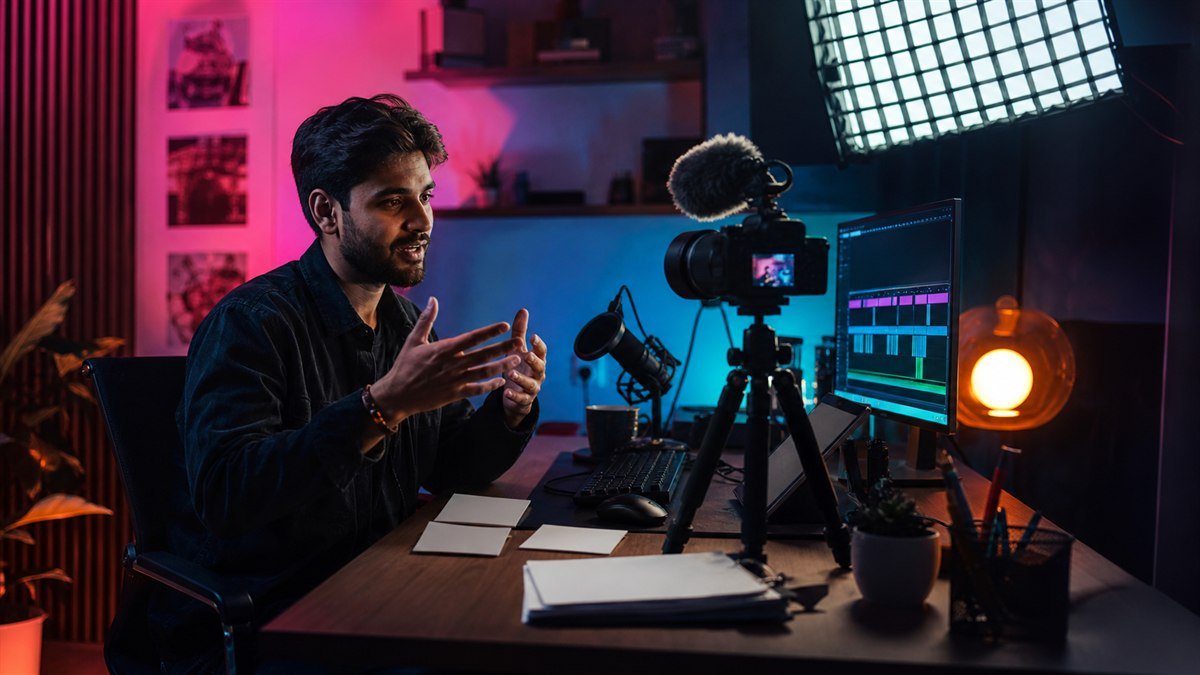
The creator economy includes more than public influencers. Writers, editors, designers, educators, video specialists, community managers and small production teams all contribute to work that can be rewarding but financially uneven. This guide explains a practical framework for Indian readers and highlights the decisions that deserve more attention than a headline or product promise.
The intended outcome is to evaluate creator work as a real business with skills, systems and ethical responsibilities. The recommendations are educational and should be adjusted for personal health, financial circumstances, institutional rules, local conditions and professional advice where appropriate.
Why creator economy India needs a practical framework
A step-by-step approach
1. Choose a clear audience promise
Define the specific person, need and format the work will serve instead of posting across every topic. This step should be tested against the reader’s real schedule, budget and responsibilities rather than an idealised scenario. Record what changes, what remains difficult and which part produces the greatest benefit.
2. Build transferable production skills
Learn research, storytelling, editing, analytics and client communication that remain useful beyond one platform. This step should be tested against the reader’s real schedule, budget and responsibilities rather than an idealised scenario. Record what changes, what remains difficult and which part produces the greatest benefit.
3. Diversify revenue carefully
Balance advertising, services, products, memberships and partnerships without weakening audience trust. This step should be tested against the reader’s real schedule, budget and responsibilities rather than an idealised scenario. Record what changes, what remains difficult and which part produces the greatest benefit.
4. Read contracts and disclosure rules
Clarify usage rights, payment dates, exclusivity, revisions and the need to label commercial relationships. This step should be tested against the reader’s real schedule, budget and responsibilities rather than an idealised scenario. Record what changes, what remains difficult and which part produces the greatest benefit.
5. Prepare for platform volatility
Maintain backups, direct audience channels and savings because reach and policies can change quickly. This step should be tested against the reader’s real schedule, budget and responsibilities rather than an idealised scenario. Record what changes, what remains difficult and which part produces the greatest benefit.
India-specific questions to ask before acting
Common mistakes to avoid
- Buying followers or engagement. Pause and identify the assumption behind this choice before spending more time or money.
- Depending on one platform or brand client. Pause and identify the assumption behind this choice before spending more time or money.
- Accepting vague perpetual usage rights. Pause and identify the assumption behind this choice before spending more time or money.
- Hiding sponsorship from the audience. Pause and identify the assumption behind this choice before spending more time or money.
A seven-day action plan
- Day one: write the outcome and list the constraints that cannot be ignored.
- Day two: collect information from primary, official or accountable sources.
- Day three: compare no more than three realistic options using the same criteria.
- Day four: test the smallest safe version of the first step.
- Day five: note cost, time, friction and any unexpected concern.
- Day six: discuss the choice with a trusted person or qualified professional when the risk is meaningful.
- Day seven: keep, change or stop the plan based on evidence rather than sunk cost.
Continue reading on Techsslaasha
For a deeper view of this subject, read How Streaming Is Changing Entertainment Choices in India and How to Evaluate Viral Celebrity News Responsibly. A related perspective appears in Sustainable Everyday Habits That Can Save Money in India, connecting this decision with another part of modern life in India.
Frequently asked questions
Is content creation a stable full-time career?
It can become sustainable, but income volatility and platform dependence require careful planning. Readers should confirm time-sensitive requirements with qualified or official sources before acting.
How should a new creator price brand work?
Consider scope, production time, usage rights, audience fit, revisions and exclusivity rather than follower count alone. Readers should confirm time-sensitive requirements with qualified or official sources before acting.
Do creators need to disclose sponsorships?
Commercial relationships should be communicated clearly and current applicable guidelines should be followed. Readers should confirm time-sensitive requirements with qualified or official sources before acting.
Final takeaway
India’s Creator Economy: Careers, Risks and Opportunities becomes easier when the reader stops looking for a universal answer and starts using a transparent process. Define the need, compare realistic options, protect against the most important risk and review the result after real experience.
Found this useful? Explore more practical reporting from the Entertainment desk.
Browse Entertainment