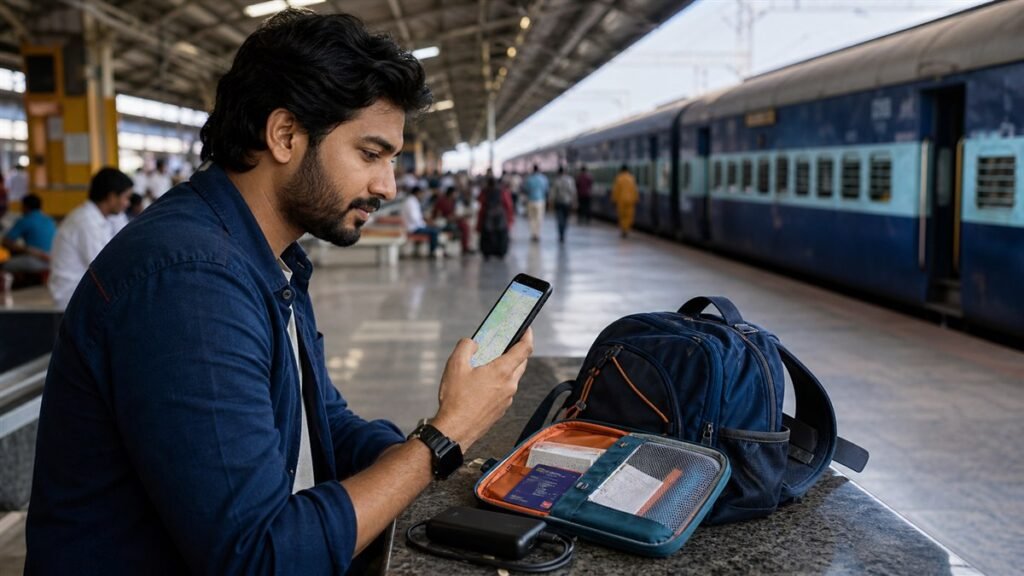
Plan short Indian trips with realistic travel time, budget, weather, bookings and responsible local choices.
A weekend trip can become exhausting when the destination is chosen by distance alone. Door-to-door travel, check-in times, seasonal conditions and the pace of the itinerary determine whether the break feels restorative. This guide explains a practical framework for Indian readers and highlights the decisions that deserve more attention than a headline or product promise.
The intended outcome is to create a short trip plan that balances experience, time, cost and energy. The recommendations are educational and should be adjusted for personal health, financial circumstances, institutional rules, local conditions and professional advice where appropriate.
Why weekend trip planning India needs a practical framework
A step-by-step approach
1. Calculate door-to-door time
Include local transfers, waiting, traffic and the journey from station or airport to the actual stay. This step should be tested against the reader’s real schedule, budget and responsibilities rather than an idealised scenario. Record what changes, what remains difficult and which part produces the greatest benefit.
2. Choose one primary experience
Build the trip around a hike, heritage area, food route, beach or rest goal instead of a long checklist. This step should be tested against the reader’s real schedule, budget and responsibilities rather than an idealised scenario. Record what changes, what remains difficult and which part produces the greatest benefit.
3. Check season and local conditions
Review weather, road status, permits, closures and daylight through reliable current sources. This step should be tested against the reader’s real schedule, budget and responsibilities rather than an idealised scenario. Record what changes, what remains difficult and which part produces the greatest benefit.
4. Set a complete budget
Include transport, local mobility, stay, meals, entry fees, buffers and cancellation risk. This step should be tested against the reader’s real schedule, budget and responsibilities rather than an idealised scenario. Record what changes, what remains difficult and which part produces the greatest benefit.
5. Leave space for the return
Avoid scheduling the latest possible arrival before a demanding work or study day. This step should be tested against the reader’s real schedule, budget and responsibilities rather than an idealised scenario. Record what changes, what remains difficult and which part produces the greatest benefit.
India-specific questions to ask before acting
Common mistakes to avoid
- Copying an influencer itinerary without travel-time checks. Pause and identify the assumption behind this choice before spending more time or money.
- Booking non-refundable options too early. Pause and identify the assumption behind this choice before spending more time or money.
- Packing for the city instead of the destination weather. Pause and identify the assumption behind this choice before spending more time or money.
- Ignoring local rules and waste. Pause and identify the assumption behind this choice before spending more time or money.
A seven-day action plan
- Day one: write the outcome and list the constraints that cannot be ignored.
- Day two: collect information from primary, official or accountable sources.
- Day three: compare no more than three realistic options using the same criteria.
- Day four: test the smallest safe version of the first step.
- Day five: note cost, time, friction and any unexpected concern.
- Day six: discuss the choice with a trusted person or qualified professional when the risk is meaningful.
- Day seven: keep, change or stop the plan based on evidence rather than sunk cost.
Continue reading on Techsslaasha
For a deeper view of this subject, read Safe Solo Travel Guide for Indian Women and Responsible Himalayan Travel: Planning, Costs and Local Impact. A related perspective appears in Better Sleep in Indian Cities: A Practical Science-Based Guide, connecting this decision with another part of modern life in India.
Frequently asked questions
How far is reasonable for a weekend trip?
The useful limit depends on transport reliability and personal energy; door-to-door time is the better measure. Readers should confirm time-sensitive requirements with qualified or official sources before acting.
When should weekend travel be booked?
Popular routes and seasons benefit from earlier booking, while weather-sensitive plans need flexible terms. Readers should confirm time-sensitive requirements with qualified or official sources before acting.
How can a short trip be more responsible?
Use local services respectfully, carry waste back where needed and avoid overcrowded or restricted areas. Readers should confirm time-sensitive requirements with qualified or official sources before acting.
Final takeaway
Smart Weekend Trip Planning in India becomes easier when the reader stops looking for a universal answer and starts using a transparent process. Define the need, compare realistic options, protect against the most important risk and review the result after real experience.
Found this useful? Explore more practical reporting from the Travel desk.
Browse Travel