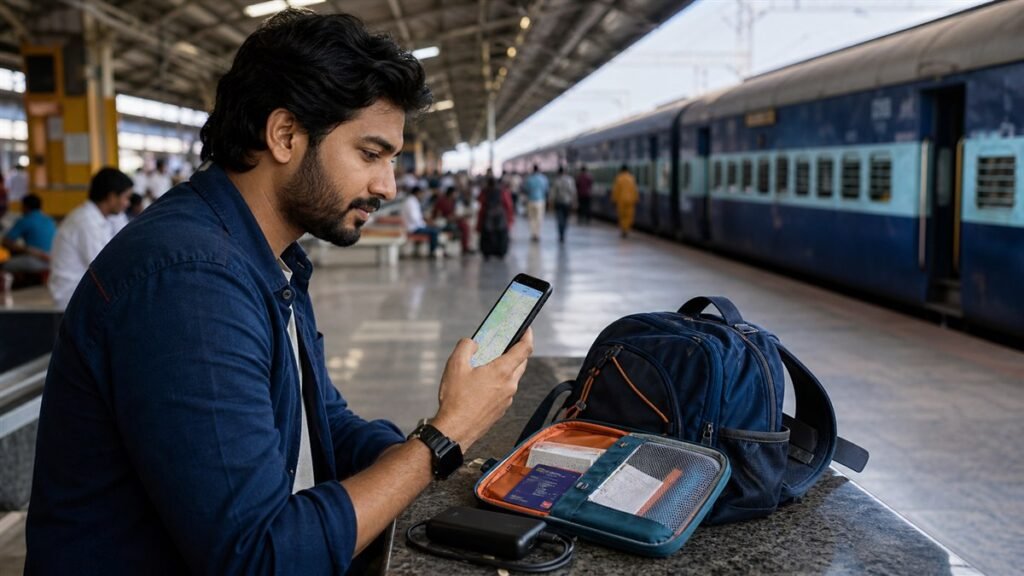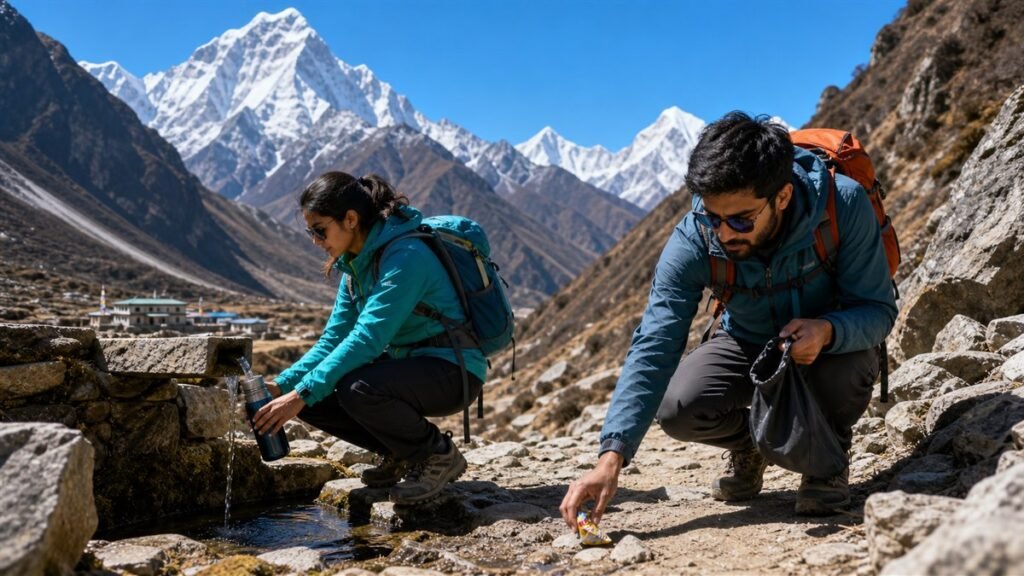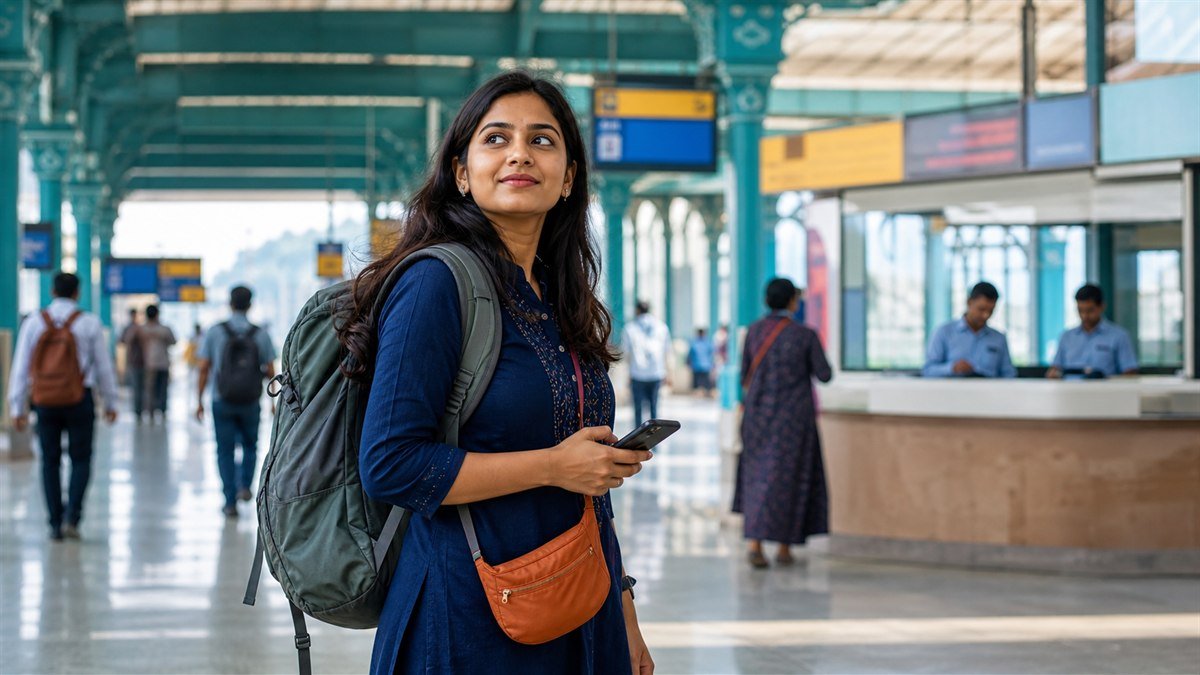
A practical solo travel safety framework covering research, transport, accommodation, communication and boundaries.
Solo travel can be empowering, but safety planning should not depend on fear or vague advice. Useful preparation focuses on information, transport control, trusted communication and the ability to leave an uncomfortable situation. This guide explains a practical framework for Indian readers and highlights the decisions that deserve more attention than a headline or product promise.
The intended outcome is to build a personal safety plan while preserving independence and enjoyment. The recommendations are educational and should be adjusted for personal health, financial circumstances, institutional rules, local conditions and professional advice where appropriate.
Why solo travel safety Indian women needs a practical framework
A step-by-step approach
1. Research neighbourhoods and arrival conditions
Study transport options, lighting, mobile coverage and how the location feels at the actual arrival time. This step should be tested against the reader’s real schedule, budget and responsibilities rather than an idealised scenario. Record what changes, what remains difficult and which part produces the greatest benefit.
2. Verify accommodation
Use recent detailed reviews, clear contact information, secure access and a location that supports the intended itinerary. This step should be tested against the reader’s real schedule, budget and responsibilities rather than an idealised scenario. Record what changes, what remains difficult and which part produces the greatest benefit.
3. Keep transport choices visible
Confirm vehicle and driver details, use recognised services where available and avoid sharing unnecessary personal information. This step should be tested against the reader’s real schedule, budget and responsibilities rather than an idealised scenario. Record what changes, what remains difficult and which part produces the greatest benefit.
4. Create a check-in plan
Share essential itinerary details with a trusted person and define what should happen after a missed check-in. This step should be tested against the reader’s real schedule, budget and responsibilities rather than an idealised scenario. Record what changes, what remains difficult and which part produces the greatest benefit.
5. Trust discomfort and change the plan
Leaving a place, conversation or vehicle is valid even when the concern cannot be fully explained. This step should be tested against the reader’s real schedule, budget and responsibilities rather than an idealised scenario. Record what changes, what remains difficult and which part produces the greatest benefit.
India-specific questions to ask before acting
Common mistakes to avoid
- Posting live accommodation details publicly. Pause and identify the assumption behind this choice before spending more time or money.
- Arriving at an unfamiliar location without a backup. Pause and identify the assumption behind this choice before spending more time or money.
- Depending on one phone or payment method. Pause and identify the assumption behind this choice before spending more time or money.
- Ignoring intuition to avoid seeming impolite. Pause and identify the assumption behind this choice before spending more time or money.
A seven-day action plan
- Day one: write the outcome and list the constraints that cannot be ignored.
- Day two: collect information from primary, official or accountable sources.
- Day three: compare no more than three realistic options using the same criteria.
- Day four: test the smallest safe version of the first step.
- Day five: note cost, time, friction and any unexpected concern.
- Day six: discuss the choice with a trusted person or qualified professional when the risk is meaningful.
- Day seven: keep, change or stop the plan based on evidence rather than sunk cost.
Continue reading on Techsslaasha
For a deeper view of this subject, read Smart Weekend Trip Planning in India and Responsible Himalayan Travel: Planning, Costs and Local Impact. A related perspective appears in How to Read Fitness Tracker Data Without Anxiety, connecting this decision with another part of modern life in India.
Frequently asked questions
Is solo travel safe everywhere in India?
Risk varies by place, time and individual circumstances; current local research and flexible planning are essential. Readers should confirm time-sensitive requirements with qualified or official sources before acting.
What emergency information should be stored?
Keep trusted contacts, accommodation, transport details, identification copies and relevant local emergency numbers accessible. Readers should confirm time-sensitive requirements with qualified or official sources before acting.
Should live location always be shared?
Share it selectively with trusted people and consider battery, privacy and network limitations. Readers should confirm time-sensitive requirements with qualified or official sources before acting.
Final takeaway
Safe Solo Travel Guide for Indian Women becomes easier when the reader stops looking for a universal answer and starts using a transparent process. Define the need, compare realistic options, protect against the most important risk and review the result after real experience.
Found this useful? Explore more practical reporting from the Travel desk.
Browse Travel