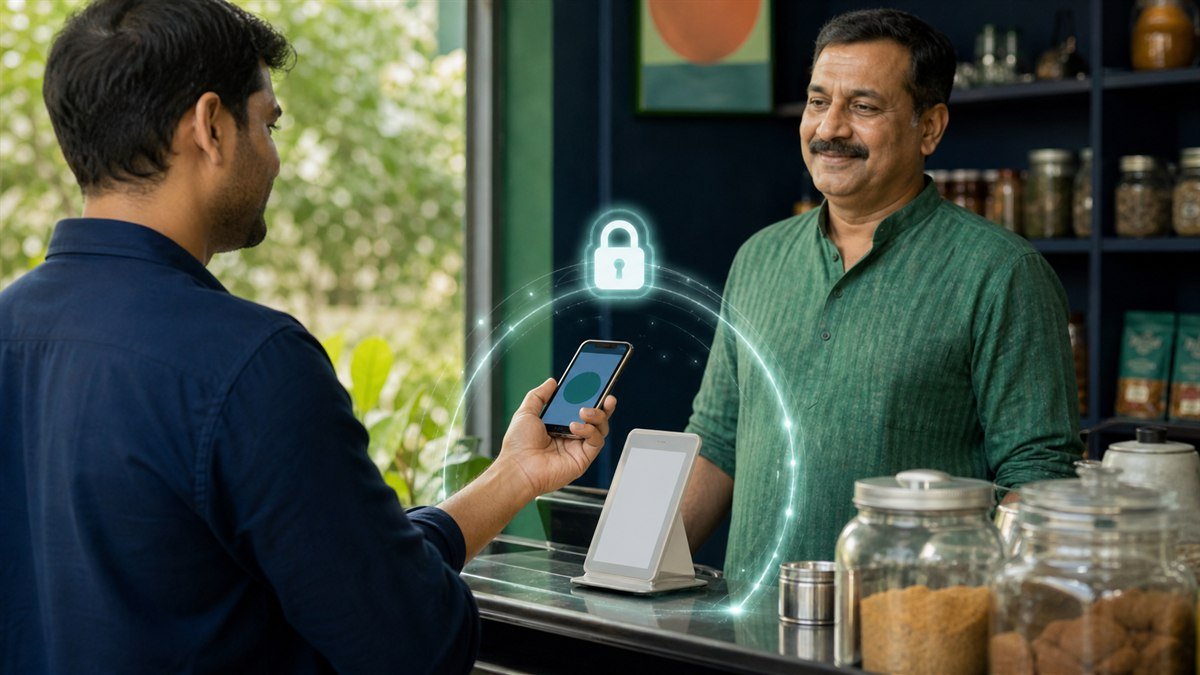
Protect UPI payments with practical checks for collect requests, screen sharing, QR codes, remote-access scams and account recovery.
Digital payments are fast because they remove friction, but fraud attempts exploit that same speed. A safe UPI routine focuses on intent, recipient verification and control of the device before any PIN is entered. This guide explains a practical framework for Indian readers and highlights the decisions that deserve more attention than a headline or product promise.
The intended outcome is to make everyday digital payments confidently while recognising common manipulation tactics. The recommendations are educational and should be adjusted for personal health, financial circumstances, institutional rules, local conditions and professional advice where appropriate.
Why UPI security guide India needs a practical framework
A step-by-step approach
1. Understand what the UPI PIN authorises
A PIN is used to approve money leaving an account, not to receive a refund, prize or routine incoming transfer. This step should be tested against the reader’s real schedule, budget and responsibilities rather than an idealised scenario. Record what changes, what remains difficult and which part produces the greatest benefit.
2. Verify the recipient inside the app
Read the displayed name, amount and payment note instead of trusting a QR image or message alone. This step should be tested against the reader’s real schedule, budget and responsibilities rather than an idealised scenario. Record what changes, what remains difficult and which part produces the greatest benefit.
3. Treat collect requests as payment requests
Reject unexpected requests and contact the organisation through an independently verified channel. This step should be tested against the reader’s real schedule, budget and responsibilities rather than an idealised scenario. Record what changes, what remains difficult and which part produces the greatest benefit.
4. Keep control of the screen and device
Never install remote-access software or share the screen while a caller guides a financial transaction. This step should be tested against the reader’s real schedule, budget and responsibilities rather than an idealised scenario. Record what changes, what remains difficult and which part produces the greatest benefit.
5. Create a rapid response plan
Know the bank, payment app and national reporting channels to contact as soon as suspicious activity appears. This step should be tested against the reader’s real schedule, budget and responsibilities rather than an idealised scenario. Record what changes, what remains difficult and which part produces the greatest benefit.
India-specific questions to ask before acting
Common mistakes to avoid
- Entering a PIN to receive money. Pause and identify the assumption behind this choice before spending more time or money.
- Scanning a QR code sent by an unknown buyer. Pause and identify the assumption behind this choice before spending more time or money.
- Sharing an OTP with a caller claiming to be support. Pause and identify the assumption behind this choice before spending more time or money.
- Delaying the report because the amount seems small. Pause and identify the assumption behind this choice before spending more time or money.
A seven-day action plan
- Day one: write the outcome and list the constraints that cannot be ignored.
- Day two: collect information from primary, official or accountable sources.
- Day three: compare no more than three realistic options using the same criteria.
- Day four: test the smallest safe version of the first step.
- Day five: note cost, time, friction and any unexpected concern.
- Day six: discuss the choice with a trusted person or qualified professional when the risk is meaningful.
- Day seven: keep, change or stop the plan based on evidence rather than sunk cost.
Continue reading on Techsslaasha
For a deeper view of this subject, read Best AI Productivity Tools for Indian Students and Professionals in 2026 and Smartphone Privacy Checklist for Indian Users. A related perspective appears in How to Choose the Best Online Learning Platform in India, connecting this decision with another part of modern life in India.
Frequently asked questions
Do I need to enter a UPI PIN to receive money?
No. A normal incoming payment does not require the receiver to enter a UPI PIN. Readers should confirm time-sensitive requirements with qualified or official sources before acting.
Can scanning a QR code take money from my account?
Scanning usually opens a payment flow; the risk appears when the user approves the transaction and enters the PIN without checking. Readers should confirm time-sensitive requirements with qualified or official sources before acting.
Where should UPI fraud be reported?
Contact the bank and payment app immediately and use India’s official cybercrime reporting channels for current guidance. Readers should confirm time-sensitive requirements with qualified or official sources before acting.
Final takeaway
UPI and Digital Payment Security Guide for India in 2026 becomes easier when the reader stops looking for a universal answer and starts using a transparent process. Define the need, compare realistic options, protect against the most important risk and review the result after real experience.
Found this useful? Explore more practical reporting from the Technology desk.
Browse Technology