Balance gaming with sleep, movement, study, spending and social wellbeing without treating play as the enemy.
Gaming can support relaxation, challenge and friendship. Problems usually appear when sessions consistently displace sleep, study, physical comfort, relationships or essential spending. This guide explains a practical framework for Indian readers and highlights the decisions that deserve more attention than a headline or product promise.
The intended outcome is to keep gaming enjoyable through boundaries that protect health and responsibilities. The recommendations are educational and should be adjusted for personal health, financial circumstances, institutional rules, local conditions and professional advice where appropriate.
Why healthy gaming habits needs a practical framework
A step-by-step approach
1. Decide the stopping point before play
Use a time, match count or natural break rather than relying on willpower during a competitive session. This step should be tested against the reader’s real schedule, budget and responsibilities rather than an idealised scenario. Record what changes, what remains difficult and which part produces the greatest benefit.
2. Protect sleep and recovery
Avoid starting long sessions close to bedtime and create a short transition after intense play. This step should be tested against the reader’s real schedule, budget and responsibilities rather than an idealised scenario. Record what changes, what remains difficult and which part produces the greatest benefit.
3. Set up the body well
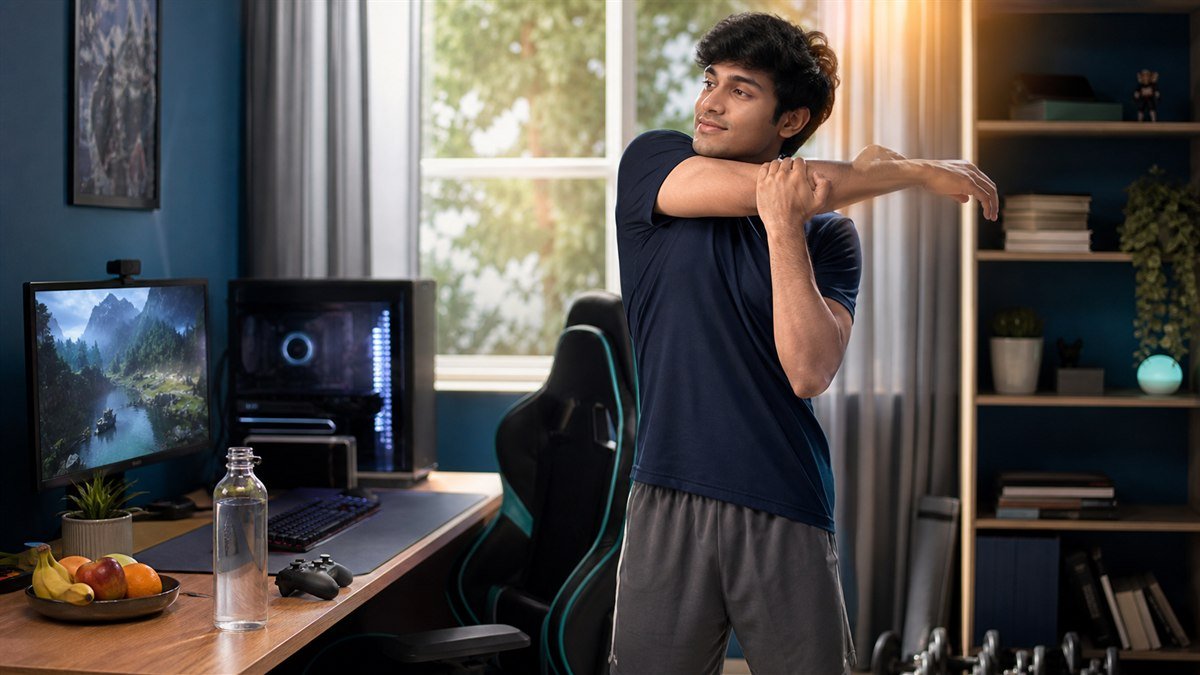
Adjust screen height, chair support, lighting and regular movement to reduce discomfort. This step should be tested against the reader’s real schedule, budget and responsibilities rather than an idealised scenario. Record what changes, what remains difficult and which part produces the greatest benefit.
4. Control spending friction
Remove stored payment methods where useful and set a clear entertainment budget for passes and cosmetic items. This step should be tested against the reader’s real schedule, budget and responsibilities rather than an idealised scenario. Record what changes, what remains difficult and which part produces the greatest benefit.
5. Watch emotional patterns
Notice whether play is restoring energy, building connection or becoming an automatic escape from every difficult feeling. This step should be tested against the reader’s real schedule, budget and responsibilities rather than an idealised scenario. Record what changes, what remains difficult and which part produces the greatest benefit.
India-specific questions to ask before acting
Common mistakes to avoid
- Using games as the only social contact. Pause and identify the assumption behind this choice before spending more time or money.
- Buying items during emotional moments. Pause and identify the assumption behind this choice before spending more time or money.
- Ignoring hand, neck or eye discomfort. Pause and identify the assumption behind this choice before spending more time or money.
- Starting one more ranked match when already tired. Pause and identify the assumption behind this choice before spending more time or money.
A seven-day action plan
- Day one: write the outcome and list the constraints that cannot be ignored.
- Day two: collect information from primary, official or accountable sources.
- Day three: compare no more than three realistic options using the same criteria.
- Day four: test the smallest safe version of the first step.
- Day five: note cost, time, friction and any unexpected concern.
- Day six: discuss the choice with a trusted person or qualified professional when the risk is meaningful.
- Day seven: keep, change or stop the plan based on evidence rather than sunk cost.
Continue reading on Techsslaasha
For a deeper view of this subject, read India’s Gaming Industry: Careers Beyond Playing Games and How to Choose a Gaming Laptop in India Without Overspending. A related perspective appears in Responsible Himalayan Travel: Planning, Costs and Local Impact, connecting this decision with another part of modern life in India.
Frequently asked questions
How much gaming is too much?
Impact matters more than one universal hour limit; sleep, study, health and relationships provide important signals. Readers should confirm time-sensitive requirements with qualified or official sources before acting.
Can gaming improve useful skills?
Some games can support teamwork, persistence or spatial reasoning, but benefits depend on context and balance. Readers should confirm time-sensitive requirements with qualified or official sources before acting.
When should someone seek support?
Loss of control, serious conflict, missed responsibilities or persistent distress deserves conversation with a trusted adult or professional. Readers should confirm time-sensitive requirements with qualified or official sources before acting.
Final takeaway
Healthy Gaming Habits for Students and Young Adults becomes easier when the reader stops looking for a universal answer and starts using a transparent process. Define the need, compare realistic options, protect against the most important risk and review the result after real experience.
Found this useful? Explore more practical reporting from the Gaming desk.
Browse Gaming