Telemedicine can make follow-up care and basic medical advice easier to access, but a video call is not suitable for every symptom. Safe use begins with a verified doctor, clear information and realistic limits.
Online consultations can reduce travel and waiting time, especially for routine follow-up, medicine review and access to a distant specialist. They can also omit physical examination, vital signs or tests that a clinician needs. The platform cannot decide that boundary on marketing language alone.
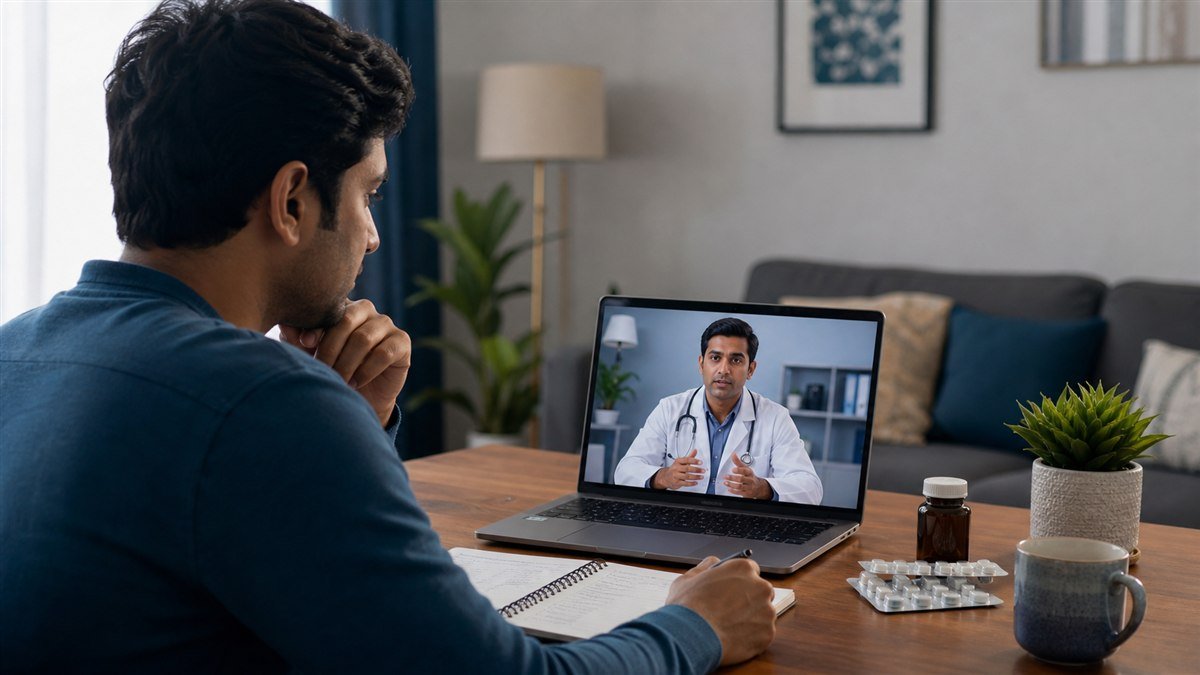
A safe telemedicine India approach supports the registered medical practitioner’s professional judgment. Patients can improve the consultation by preparing a concise history, using a private connection and understanding that urgent or examination-dependent symptoms may require immediate in-person care.
Why safe telemedicine India needs a practical framework
Verify the doctor and the platform
Look for the clinician’s full name, qualifications and registration details. A credible platform should make the identity of registered medical professionals visible and should not allow a chatbot to present itself as the prescribing clinician.
Open the service through its official website or app, review privacy information and confirm how follow-up works. Avoid sending health records to an unknown number that contacted you unexpectedly, even if the profile picture looks professional.
Prepare a useful symptom timeline
Write when the problem began, how it changed, what makes it better or worse and which treatments have already been tried. Keep a list of current medicines, doses, allergies, major conditions and relevant recent reports.
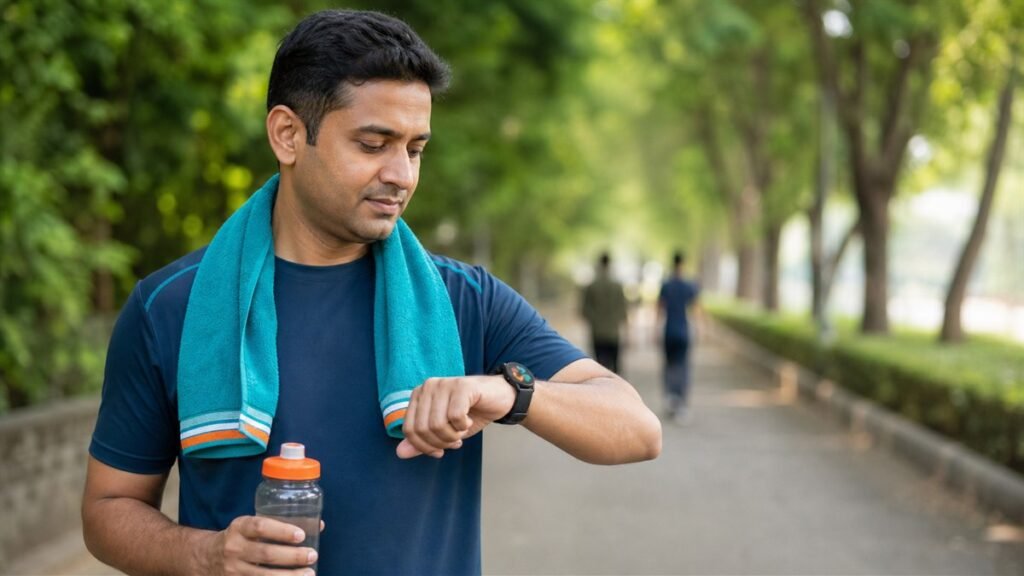
If available, share reliable measurements such as temperature or blood pressure and explain how they were taken. Do not invent precision from a consumer wearable. A trend can be useful context, but it is not automatically a clinical measurement or diagnosis.
Protect privacy during the consultation
Use a private room and a trusted device. Avoid public Wi-Fi for sensitive conversations, lock the screen and remove shared access after the call. Ask before recording; medical consultations should not be recorded or forwarded casually.
Share only relevant documents. Check the recipient before uploading and remove identity documents that are not required. If another family member is present, make sure the patient is comfortable with their involvement.
Understand the limits of remote care
The doctor may decide that telemedicine is insufficient and recommend an in-person examination. That is a safety decision, not a failed appointment. Some symptoms depend on touch, direct observation, procedures or timely diagnostic tests.
For severe breathing difficulty, chest pain, signs of stroke, major injury, uncontrolled bleeding, loss of consciousness or another emergency, seek urgent local care rather than waiting for a routine online slot. The appropriate emergency pathway depends on location and condition.
Review the prescription and follow-up
Confirm the medicine name, dose, timing, duration, major precautions and what to do if symptoms worsen. Use the written prescription issued by the clinician, not a screenshot copied from another patient.
Ask when follow-up is needed and which change should trigger earlier review. Keep the consultation summary with other health records so the next clinician can understand what was advised and why.
Quick action checklist
- Confirm the doctor’s identity and registration information.
- Prepare symptoms, medicines, allergies and reports in advance.
- Use a private room, trusted device and secure connection.
- Accept an in-person referral when examination is needed.
- Record the follow-up plan and warning signs clearly.
A five-step implementation plan
- Step 1: Verify the clinician and save the appointment through the official platform.
- Step 2: Prepare a one-page symptom timeline and accurate medicine list.
- Step 3: Test the camera, microphone and connection before the appointment.
- Step 4: Ask three questions: what is most likely, what needs checking and what should trigger urgent care.
- Step 5: Store the prescription and follow-up date in the same secure health folder.
Build the wider digital-life skill set
This guide is part of an India-focused technology cluster. Continue with guide to interpreting fitness-tracker data, science-based guide to better sleep, secure backup guide for important documents, then connect the subject to smartphone privacy checklist and method for verifying online health claims. Visit the Techsslaash health technology desk for the latest reporting across technology, health, finance, education, entertainment, gaming, lifestyle and travel.
Frequently asked questions
Can a telemedicine platform diagnose every condition?
No. The registered doctor decides whether the available information is sufficient. Examination, tests or urgent symptoms may require in-person care.
Can an AI chatbot prescribe medicine in India?
Technology may support a service, but the NMC guidance assigns counselling and prescribing to a registered medical practitioner, not an independent AI system.
What should I have ready for an online consultation?
Prepare a symptom timeline, medicine and allergy list, relevant reports, reliable measurements and questions about follow-up and warning signs.
Final takeaway
Telemedicine is safest when convenience does not hide clinical limits. Verify the professional, prepare accurate information, protect privacy and treat an in-person referral as part of good care. This article is general education, not individual medical advice.
Found this useful? Explore more practical reporting from the Health desk.
Browse Health